Browse

Log in / Register
 Share

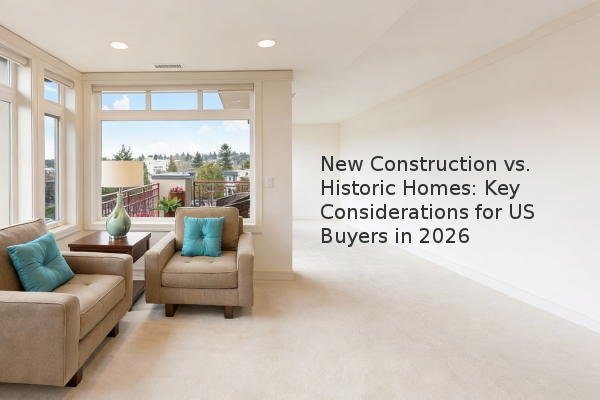
For home buyers, the decision between new construction and a historic property involves weighing modern amenities against unique character. Based on current market trends, opting for a newly built home often provides greater predictability in costs and lower maintenance, while historic homes offer charm but can come with unforeseen expenses. This analysis outlines the core factors to consider, helping you make an informed decision.
What are the primary advantages of new construction?
The most significant advantage of new construction is the ability to customize your living space from the ground up. You can often select finishes, layouts, and integrated smart home technologies during the building phase. Furthermore, new homes are built to the latest building codes, which typically translate to superior energy efficiency, leading to lower utility bills. Crucially, major components like the roof, HVAC system, and appliances are under manufacturer and builder warranties, offering significant peace of mind against immediate repair costs. New construction minimizes the risk of unexpected major repairs in the first decade of ownership.
What are the trade-offs of demolishing an existing structure?
When a property involves demolishing an older structure to make way for new construction, it raises important considerations. While starting with a clear site offers a "blank canvas," it often means the loss of historical character. In some municipalities, there may be legal hurdles or preservation ordinances that protect older buildings. From a practical standpoint, demolition adds to the project's total cost and timeline. However, based on our experience assessment, it is often more straightforward and sometimes more cost-effective in the long run than attempting a complex renovation that retrofits modern systems into an outdated structure. The decision to demolish should be weighed against the feasibility and cost of renovation.
How does architectural style influence your decision?
The architectural style of a home is a deeply personal choice that also has practical implications. A floor plan's layout, such as having all bedrooms clustered together versus a split-bedroom plan with a primary suite separated for privacy, significantly impacts daily living. For example, an open-concept layout common in modern American homes facilitates entertaining, while more compartmentalized traditional English styles may offer greater sound privacy. Your lifestyle should be the primary driver in selecting an architectural style, as trends change, but functionality remains key.
What should you know about the building process and timeline?
Engaging in a new build requires a different approach than buying an existing home. The process involves securing a construction loan, working with architects and builders, and navigating permit approvals with local councils, which can extend the timeline considerably. It's vital to have a detailed contract that outlines the project scope, materials, payment schedule, and completion date. Delays due to weather or supply chain issues are common, so building in a buffer for your move-in date is a prudent step. A clear and comprehensive contract is your best protection against disputes and delays.
Making the Right Choice for Your Needs
Choosing between new and historic ultimately depends on your priorities. If you value modern efficiency, customization, and minimal initial maintenance, new construction is a strong candidate. If you are drawn to architectural heritage and unique character and are prepared for potential restoration projects, a historic home may be your ideal choice. Always conduct a thorough inspection regardless of the property's age, and consult with a real estate professional to understand how your decision will impact the property's long-term value in your specific local market.