ok.com
Browse
Log in / Register

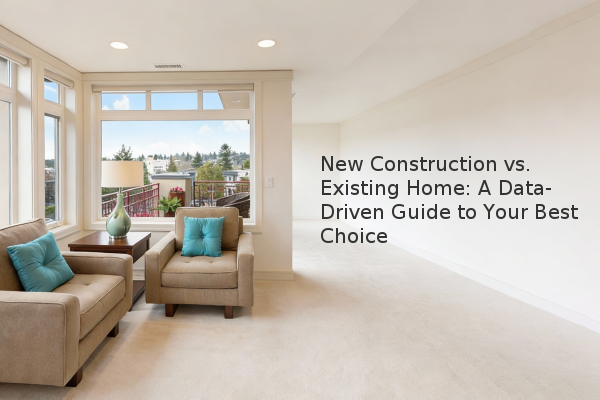
New Construction vs. Existing Home: A Data-Driven Guide to Your Best Choice

OKer_9gs1ld1
12/09/2025, 08:11:15 AM
New Construction vs. Existing Home: A Data-Driven Guide to Your Best Choice

Choosing between a new construction home and an existing property is one of the most significant decisions in the home-buying process. Based on our experience assessment, the right choice fundamentally depends on your budget, desired move-in timeline, tolerance for maintenance, and style preferences. New construction typically offers modern layouts and energy efficiency but at a higher upfront cost, while existing homes often provide quicker move-in readiness and established neighborhoods at a lower initial price. This guide breaks down the key factors to help you make an informed decision.

What Are the Defining Characteristics of a New Construction Home?

A new construction home is a newly built residence that has never been occupied. These properties are sold by builders or developers and can range from custom-built designs to pre-designed "spec" homes in new subdivisions. The primary appeal lies in their pristine condition and modern features.

Key advantages often include:

  • Modern Design and Layouts: Contemporary designs frequently feature open floor plans, en-suite bathrooms, and larger kitchens, aligning with current living trends.
  • Lower Immediate Maintenance: With brand-new appliances, roofing, and systems like HVAC (Heating, Ventilation, and Air Conditioning), major repairs are unlikely for several years.
  • Energy Efficiency: Many new builds include double-pane windows, high-efficiency HVAC systems, and improved insulation, which can lead to significant savings on utility bills.
  • Customization Options: If you purchase during the building phase, you may select finishes like flooring, cabinetry, and countertops.
  • Builder Warranties: New homes often come with warranties that cover structural defects and workmanship for a set period, providing peace of mind.

Potential drawbacks to consider:

  • Higher Upfront Cost: New construction homes often command a premium due to modern materials and building standards.
  • Construction Delays: Move-in timelines can be extended due to supply chain issues or weather, which is a risk if the home is not yet complete.
  • Less Established Neighborhoods: New developments may have minimal landscaping and community amenities that are still under construction.

What Are the Primary Benefits of an Existing Home?

An existing home, also known as a resale home, is any property that has been previously owned and occupied. The inventory for existing homes is vast, covering a wide array of architectural styles and locations.

Key advantages often include:

  • Established Neighborhoods: These homes are typically located in mature communities with fully grown trees, developed amenities, and a clear sense of character.
  • Faster Possession: Once the closing process is complete, you can usually move into an existing home immediately, barring any agreed-upon post-closing occupancy arrangements with the seller.
  • Lower Purchase Price: On average, existing homes have a lower price per square foot compared to new construction, making them more accessible for buyers with a tighter budget.
  • Architectural Character: You can find homes with unique, non-modern features like detailed woodwork or distinct historical styles that are not common in new builds.

Potential drawbacks to consider:

  • Older Systems and Potential Repairs: Key components like the roof, plumbing, or electrical system may be nearing the end of their lifespan and require costly repairs or replacements soon after purchase.
  • Less Energy Efficient: Older windows, insulation, and appliances can lead to higher monthly utility costs.
  • Dated Design Elements: Some homes may have closed-off floor plans or smaller rooms that do not suit modern preferences, potentially necessitating renovations.

How Do You Decide Which Home Type Is Right for You?

Your personal circumstances are the most critical factor. The following table outlines common scenarios to guide your decision.

Your PriorityConsider a New Construction Home If...Consider an an Existing Home If...
BudgetYou have a higher budget for upfront costs.Your initial purchase budget is a primary constraint.
TimelineYour move-in timeline is flexible.You need to move in quickly.
MaintenanceYou want minimal repairs for the first several years.You are comfortable handling potential repairs or renovations.
Style & LocationYou prefer a modern layout and are okay with a developing area.You value the character of an established neighborhood.

Key Takeaways for Your Home Purchase

Making the final choice requires a clear assessment of your goals. Evaluate your financial readiness, including not just the purchase price but also potential immediate costs for repairs in an existing home or upgrades in a new build. Thoroughly research neighborhoods; a new development may offer future growth, while an established area provides immediate community benefits. Finally, a professional home inspection is non-negotiable for an existing home and highly recommended even for new construction to ensure quality. By weighing these factors objectively, you can confidently choose the path that best leads to your dream home.
Cookie
Cookie Settings
Our Apps
Download
Download on the
APP Store
Download
Get it on
Google Play
© 2025 Servanan International Pte. Ltd.