Browse

Log in / Register
 Share
Share
The latest data on new residential construction reveals a significant market shift: single-family home construction is now growing at a faster rate than multifamily projects. This trend, while indicating a responsive building sector, also presents a potential concern as the pace of housing starts has begun to outpace the issuance of new building permits. If this pattern continues, it could signal a future slowdown in construction activity, which would exacerbate the existing undersupply of both for-sale and rental housing units across the United States.
The most recent data, reflective of market conditions in early 2026, shows a clear divergence between single-family and multifamily construction. The seasonally adjusted annual rate for single-family starts saw a notable increase, while multifamily starts remained largely flat. This suggests that builders are responding more decisively to the demand for owned housing versus rental units. Furthermore, upward revisions to previous months' starts data indicate that the construction pipeline has been stronger than initially reported. However, the key metric of building permits—which signal future construction—declined, a change that analysts are watching closely.
The relationship between building permits and housing starts is a critical indicator of future construction health. A building permit is an official approval from a local government agency to begin construction, essentially a leading indicator. A housing start is recorded when excavation begins for the home's foundation. Typically, a healthy market sees permits outpacing starts, indicating a robust pipeline of future projects. The recent data, however, shows starts outpacing permits. Based on our experience assessment, this could be a temporary statistical anomaly, but if it persists, it points to a potential contraction in new construction activity in the coming months, which would not help alleviate the current housing shortage.
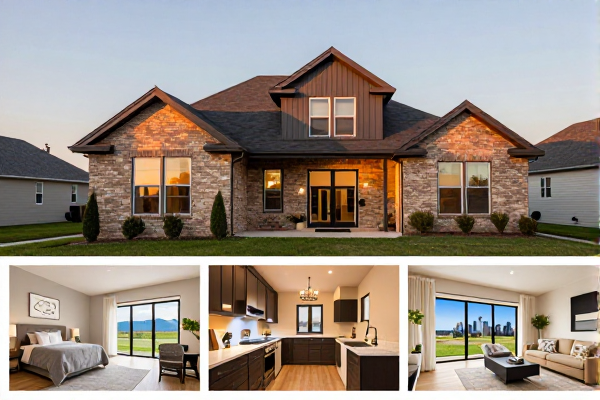
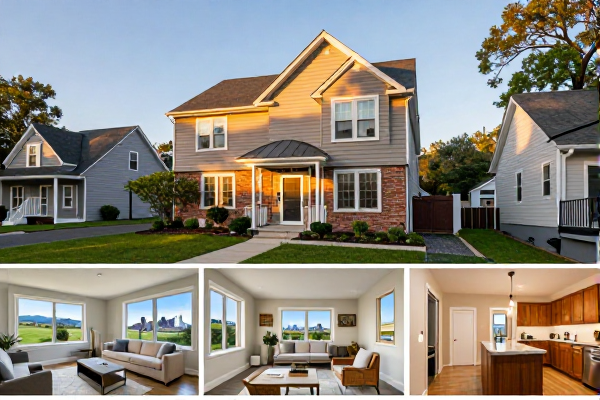
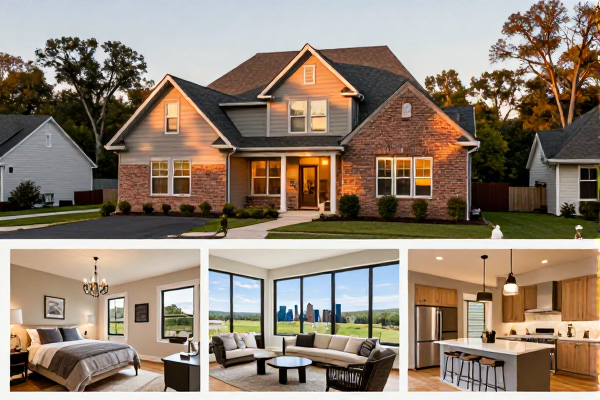
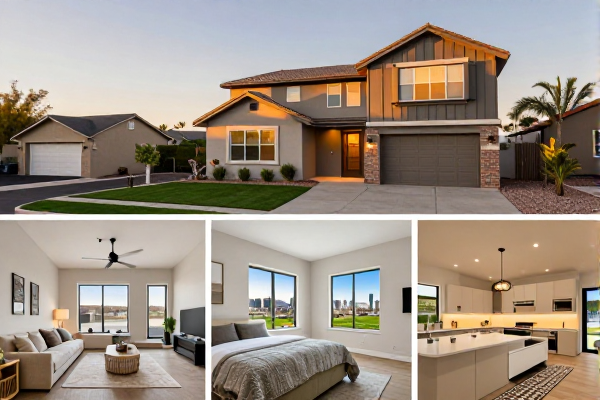
The strong growth in single-family starts is a direct response to sustained demand from potential homebuyers. This is a positive development for the market, as increased supply can help moderate price appreciation. For buyers, this trend means that more new homes could become available for purchase in 2026. However, it is crucial to understand that new construction homes often come at a price premium compared to existing homes. Buyers should also be aware that construction timelines can be affected by supply chain issues and labor availability, so closing dates are not always guaranteed.
The divergence between strong single-family starts and weaker multifamily permits has broader implications. A sustained undersupply of new rental units could put upward pressure on rental prices, making affordability a continued challenge for many households. For the for-sale market, the focus on single-family homes is a positive sign, but the overall pace of construction still may not be sufficient to meet demographic demand. The data suggests that while the market is adapting, addressing the national housing shortage remains a complex challenge that requires sustained building activity across all housing types.
In summary, the construction landscape in 2026 is defined by a shift in builder focus toward single-family homes. For those considering a purchase, this increase in supply is a favorable sign. The most critical takeaway is to monitor the permit-to-start ratio in future reports, as a continued imbalance is the clearest predictor of a future slowdown in construction activity, which would prolong the housing supply shortage.