Browse

Log in / Register
 Share


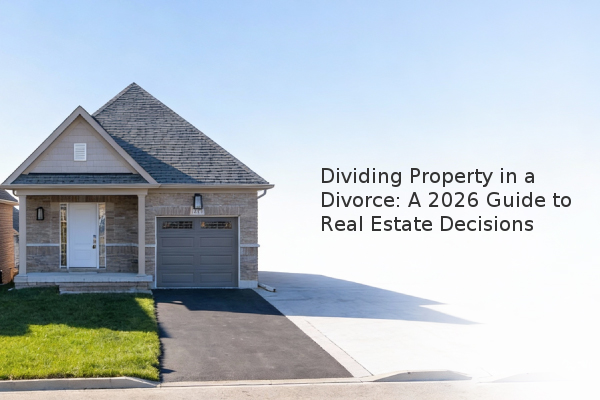
For first-time homebuyers facing intense competition and soaring prices, purchasing a new construction home can be a strategic alternative to buying an existing property. This approach can offer a more straightforward purchasing process, opportunities for customization, and potential cost savings. Based on our experience assessment, key advantages include avoiding bidding wars, locking in a price early, and the benefit of modern building standards and warranties. This guide outlines the essential steps and considerations for navigating the new build process in 2026.
Understanding the fundamental appeal of a new construction home is the first step. A new construction home is a property that has never been occupied, typically built by a development company. For buyers in highly competitive markets, this path can sidestep the emotional and financial strain of competing against multiple offers for existing homes. Builders often have set pricing models, which, depending on market conditions, can lead to a more predictable and less stressful negotiation-free purchase. Furthermore, all major systems and appliances are new and covered by manufacturer and builder warranties, potentially saving on immediate repair costs.
The financial structure of buying a new build can be distinctly different. When Nicole and Pat purchased in Austin, they secured their lot with a relatively small earnest money deposit—a good-faith payment made to the seller to show serious intent to purchase—of just $1,500. This low initial financial commitment minimized their risk during the early stages. While market conditions have evolved, the principle of understanding the builder's deposit requirements remains critical. Builders may also offer incentives to use their in-house lender and title company (the service that conducts a title search to ensure the property can be legally transferred and provides title insurance). These incentives can include substantial closing cost credits or reduced interest rates. It is essential, however, to independently compare these offers with outside lenders to ensure you are getting the best overall deal.
While many buyers use a real estate agent, some opt to work directly with the builder's sales consultant. This was the case for the buyers profiled, who found reviewing the initial purchase agreement challenging without an agent or lawyer to provide guidance. The contract for a new construction home is often lengthy and written to protect the builder's interests. Key areas to scrutinize include the completion timeline, warranty details, and what happens if you need to back out of the deal. If you forgo an agent, it is highly advisable to hire a real estate attorney to review the contract before signing. Their expertise can help you understand your rights and obligations.
The construction timeline can be affected by supply chain issues, labor shortages, and weather. While the build in our example was completed in six months, final inspections pushed the closing to eight months. It's wise to build flexibility into your moving plans. Throughout construction, you will likely have opportunities to visit the site. Before closing, you will participate in a final walkthrough with a builder representative. This is your chance to identify any incomplete items or defects, which are documented on a punch list for the builder to address. According to the National Association of Home Builders (NAHB), new single-family home construction starts have remained robust, indicating a continued supply of new homes for buyers in 2026.
The decision to purchase a new construction home involves weighing distinct advantages against specific challenges. The ability to customize the home to your taste and the benefit of new, energy-efficient systems are powerful draws. The process, however, requires diligent research, careful financial planning, and a clear understanding of the contractual commitments.
To successfully purchase a new construction home as a first-time buyer, focus on these actionable steps: