Browse

Log in / Register
 Share

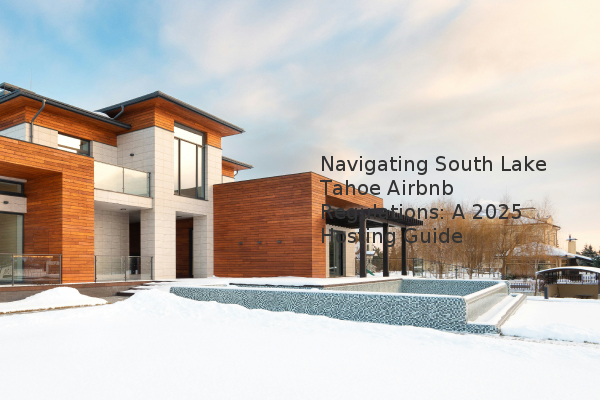
Understanding the specific short-term rental regulations in South Lake Tahoe is crucial for operating a legally compliant Airbnb. The city has implemented a detailed permit system, zoning restrictions, and a 12% Transient Occupancy Tax (TOT) to manage the impact of vacation rentals. This guide outlines the key requirements, from obtaining a permit to understanding occupancy limits, to help you make informed decisions as a potential host.
What are the Permit Requirements for a South Lake Tahoe Airbnb? To operate a short-term rental (STR) in South Lake Tahoe, you must obtain a permit from the City of South Lake Tahoe. The number of permits is capped, and applications are processed based on availability. The permit process involves an initial application fee, a safety inspection to ensure the property meets building and fire codes, and proof of a local contact person available 24/7 to respond to issues. Operating without a valid permit can result in significant fines. It is essential to verify the current status of the permit cap and application window directly with the city before purchasing a property with the intent to rent it out.
How Do Zoning Laws and Occupancy Limits Affect Your Rental? Not all properties in South Lake Tahoe are eligible for short-term rental permits due to zoning laws. You must confirm that your property is located in a zone that allows STRs. Furthermore, the city enforces strict occupancy limits based on the number of bedrooms to minimize neighborhood disruption. For example, a standard limit is two people per bedroom plus two additional people. Exceeding these limits is a common violation that can lead to permit revocation. It is your responsibility as the host to clearly communicate and enforce these rules with your guests to maintain compliance.
What are the Tax Obligations for Hosts? Hosts are required to collect and remit a Transient Occupancy Tax (TOT), which is a tax on rentals of 30 days or less. The current rate in South Lake Tahoe is 12% of the rental amount. Additionally, a 2% Tourism Improvement Fee (TIF) may apply. You must register with the city's finance department to obtain a TOT certificate and file regular tax returns. Failure to comply with tax obligations can result in penalties, interest, and legal action. Many property management companies or Airbnb itself may offer to collect and remit these taxes on your behalf, but the ultimate responsibility lies with the property owner.
| Compliance Checklist for South Lake Tahoe Airbnb Hosts |
|---|
| ✓ Obtain a valid Short-Term Rental Permit from the city. |
| ✓ Pass a mandatory safety inspection. |
| ✓ Secure a 24/7 local contact. |
| ✓ Adhere to strict occupancy limits based on bedrooms. |
| ✓ Register for, collect, and remit the 12% Transient Occupancy Tax. |
| ✓ Maintain adequate liability insurance. |
Understanding Enforcement and Community Standards The city actively enforces its short-term rental ordinances through a combination of complaint-based investigations and proactive monitoring of rental platforms. Violations can lead to a tiered fine system, starting with warnings and escalating to substantial monetary penalties and permit suspension. Good neighbor guidelines are a critical component of compliance; these include rules on noise, parking, and trash disposal designed to preserve the quality of life for permanent residents. Providing guests with a clear list of these rules helps prevent issues and protects your hosting business from complaints.
Navigating the South Lake Tahoe Airbnb market requires careful attention to a well-defined regulatory framework. The key to successful and sustainable hosting is securing the proper permit, understanding and adhering to all zoning and occupancy rules, and fulfilling your tax responsibilities. By prioritizing compliance from the outset, you can avoid costly penalties and contribute positively to the community.