Browse

Log in / Register
 Share

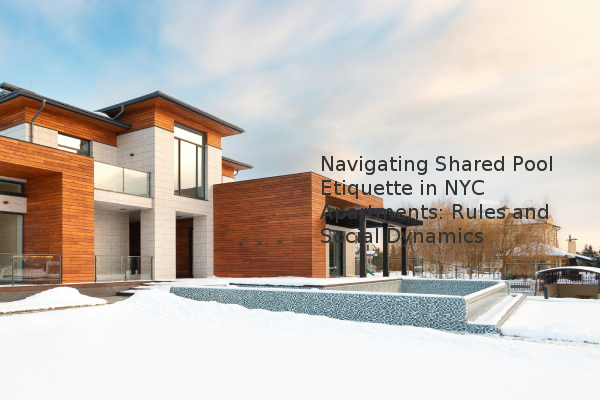
For New York City apartment dwellers, access to a shared swimming pool is a coveted amenity that can enhance property value and quality of life. However, this privilege often comes with a complex set of building rules and unspoken social etiquette that can lead to tension. Based on our experience assessment, the core challenge involves balancing personal enjoyment with the expectations of friends and family, all while adhering to strict guest policies commonly found in condominium and cooperative buildings. Navigating this successfully requires a clear understanding of your building's covenants and a proactive approach to communication.
What Are the Typical Guest Policies for Building Pools? Most residential buildings with shared amenities implement strict guest policies to ensure safety, maintain privacy, and manage capacity. It is common for a tenant or unit owner to be limited to bringing only two guests at a time. These rules are typically outlined in the building's House Rules or Covenants, Conditions, and Restrictions (CC&Rs), which are legally binding documents for residents. For example, a resident might be unable to host two couples simultaneously, creating a logistical challenge for social gatherings. Before inviting anyone, it is crucial to review your building's specific policy, often available from the Homeowners Association (HOA) or property management. Violating these rules can result in fines or the temporary revocation of amenity access privileges.
How Can You Manage Social Expectations Without Causing Resentment? The social pressure to share a pool access pass can be significant, especially during summer months. The key is to set clear boundaries from the outset. You are not obligated to accommodate every request. A practical approach is to be transparent about the building's limitations, using the official guest policy as a neutral reason for declining larger groups. You can suggest alternative plans, such as meeting at a public pool or scheduling visits on different days. This manages expectations and demonstrates that the limitation is procedural, not personal. Communicating your availability clearly and in advance helps prevent misunderstandings and preserves relationships.
Is Pool Access a Significant Factor in Property Value? Yes, access to a well-maintained pool can positively impact property value, particularly in a competitive market like New York City. Amenities such as pools, gyms, and common areas are considered value-add features that make a property more attractive to potential buyers or renters. However, the associated maintenance costs, often covered through monthly HOA fees or common charges, can also be substantial. When evaluating a property, it's important to weigh the enjoyment and potential value increase against these ongoing costs. According to recent industry analyses, buildings with premium amenities can command higher sale prices, but the exact premium varies significantly by neighborhood and building class.
What Practical Steps Maximize Your Enjoyment of a Shared Pool? To fully benefit from your building's pool while minimizing stress, adopt a strategic approach. First, familiarize yourself with all amenity rules, including operating hours, guest registration procedures, and any restrictions on food or beverages. Second, schedule your pool time during off-peak hours if you prefer a quieter experience. Third, for socializing, consider hosting smaller, more manageable gatherings that comply with guest policies. Finally, remember that the amenity is part of your home; your primary right is to enjoy it. Prioritizing your own use of the amenity ensures you receive the full benefit of this valuable feature without feeling pressured to accommodate others constantly.
Ultimately, having pool access in a NYC apartment is a valuable perk that requires thoughtful management. By understanding the official rules, setting firm social boundaries, and prioritizing your own enjoyment, you can navigate the etiquette minefield and make the most of this sought-after amenity. The goal is to enhance your lifestyle, not add to your list of social obligations.