Browse

Log in / Register
 Share
Share
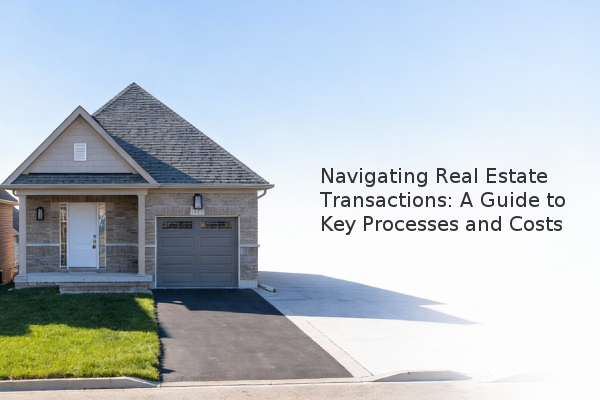
Understanding the core components of a real estate transaction is essential for making informed decisions, whether you are buying your first home or selling an investment property. The process involves several key stages, from securing financing to the final transfer of the property title, each with associated costs and considerations. The most critical steps include mortgage pre-approval, home inspection, title search, and understanding closing costs, which typically range from 2% to 5% of the home's purchase price. By focusing on these elements, you can navigate the process with greater confidence and avoid common pitfalls.
What are the initial steps in the home buying process? The journey begins with financial preparation. Before seriously searching for a property, potential buyers should assess their budget and obtain a mortgage pre-approval. A pre-approval is a lender's conditional commitment to loan you a specific amount based on a preliminary review of your credit and finances. This step is crucial as it clarifies your purchasing power and strengthens your position when making an offer. Following pre-approval, engaging a real estate agent who understands your local market is recommended. They can provide access to listings, schedule viewings, and offer valuable negotiation advice based on current market conditions.
What due diligence is required before closing? Once an offer is accepted, the due diligence period begins. This phase allows the buyer to investigate the property thoroughly. A professional home inspection is paramount; it assesses the structural and mechanical condition of the home, identifying potential issues like a faulty roof or outdated electrical systems. Simultaneously, a title search is conducted to ensure the seller has the legal right to transfer ownership and that there are no outstanding liens or claims, such as unpaid property taxes, against the property. To protect against unforeseen title defects, buyers typically purchase title insurance, which is a form of indemnity insurance that protects the buyer and lender from financial loss related to the property's title.
What costs are involved in the final property transfer? The culmination of the transaction is the closing, where ownership is legally transferred. Buyers should be prepared for closing costs, which are fees paid to various parties involved in the transaction. These can include loan origination fees, appraisal fees, and attorney fees. A significant cost unique to the transfer is the property transfer tax, which is a state or local tax imposed when the title of a property is conveyed from one person to another. The rate varies significantly by jurisdiction. For example, some states may charge a flat fee while others calculate it as a percentage of the sale price. It is essential to review the closing disclosure statement carefully before the final signing.
How can you prepare for a successful transaction? Based on our experience assessment, preparation is the key to a smooth real estate transaction. Start by reviewing your credit report and finances early to address any issues that could affect your mortgage application. Get quotes from multiple lenders to ensure you secure the most favorable loan terms. For sellers, obtaining a comparative market analysis from your agent will help in setting a competitive listing price. Throughout the process, maintain clear communication with all parties, including your agent, lender, and attorney. Always budget for unexpected costs, as repairs or negotiations can alter the final financial outlay.