
Browse

Log in / Register
 Share
Share
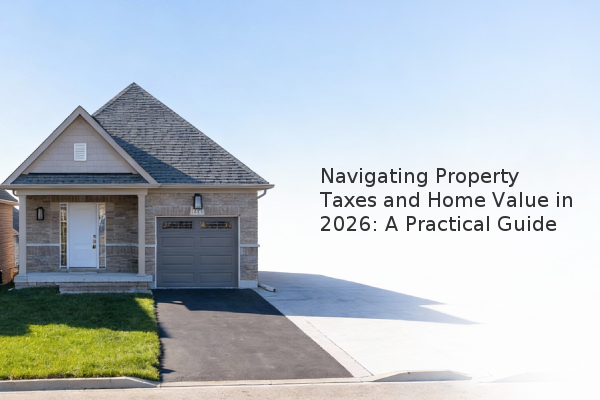
Understanding how property taxes work is fundamental to homeownership, directly impacting your monthly expenses and long-term investment. In 2026, with shifting market conditions, a clear grasp of your tax obligations and the factors influencing your home's value is more critical than ever. Your property tax bill is calculated by multiplying the local tax rate by your home's assessed value, which can fluctuate. Proactive assessment review and understanding available exemptions are key to managing this cost effectively.
Property tax is an ad valorem tax, meaning it is based on the value of an item—in this case, real estate. It is a primary revenue source for local governments, funding essential services like public schools, police, and road maintenance. The calculation typically involves two figures: the assessed value of your property and the local tax rate (often called a millage rate).
For example, if your home has an assessed value of $400,000 and your local tax rate is 1.5%, your annual property tax would be $6,000 ($400,000 x 0.015). It is crucial to distinguish between market value (what a buyer would pay) and assessed value (the value assigned by the county assessor for tax purposes), as they are often different. Based on our experience assessment, homeowners should always review their annual assessment notice for errors, as an incorrect valuation can lead to an unfairly high tax bill.
If you receive an assessment that seems to overvalue your home, you have the right to appeal. The process varies by municipality but generally involves submitting evidence to your local assessor's office. Effective evidence includes:
The appeal window is often limited, so acting promptly upon receiving your assessment notice is essential. Successfully lowering your assessed value can lead to significant annual savings.
Not all renovations provide an equal return on investment. In 2026, data suggests that strategic, mid-range projects often yield the best results. According to industry analysis, updates that enhance curb appeal and functional living spaces tend to be most valuable. Consider these areas:
It is important to note that overly personalized or luxurious upgrades frequently do not recoup their full cost. Focusing on neutral, quality improvements that address broad buyer preferences is the most predictable path to increasing value.
When budgeting for a new home, the mortgage principal and interest are only part of the equation. Property taxes, along with homeowners insurance and potential homeowners association (HOA) fees, constitute your ongoing monthly housing costs. Lenders evaluate your debt-to-income ratio including these estimated costs, which directly affects the loan amount for which you can qualify.
Before purchasing, research the property tax history of any home you are considering. A lower-priced home in a area with a high tax rate could have similar monthly carrying costs as a more expensive home in a low-tax jurisdiction. Factoring in total monthly costs, not just the sales price, is a critical step in the home-buying decision process.
Effectively navigating property taxes and home value requires ongoing attention. By understanding the calculation, knowing your appeal rights, making strategic improvements, and accurately factoring taxes into your budget, you can make more informed financial decisions as a homeowner in 2026. Always verify assessment details and consult with local real estate professionals for guidance specific to your situation.


