
Browse

Log in / Register
 Share
Share
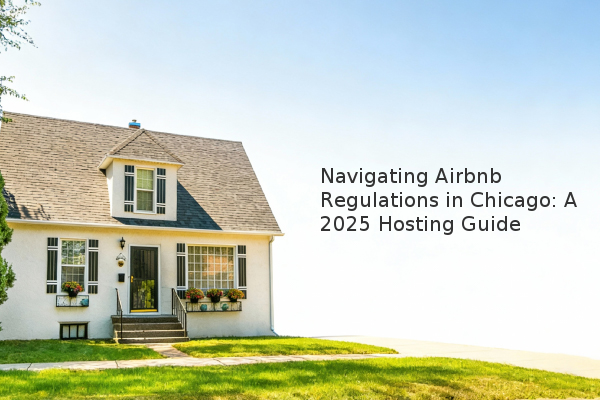
Operating an Airbnb in Chicago requires strict adherence to a complex regulatory framework known as the Vacation Rental Ordinance. This guide provides a clear overview of the essential rules, licensing process, and financial considerations for prospective hosts, based on an assessment of current city regulations. Understanding these requirements is the first critical step to legally and successfully hosting short-term rentals in the city.
Chicago's regulations primarily distinguish between two types of short-term rentals. A vacation rental is a hosted unit where the owner is present, while a shared housing unit is an unhosted rental of an entire property. The city maintains a Prohibited Buildings List, which includes properties where short-term rentals are banned, such as most multi-unit apartments. Before proceeding, hosts must verify their building's eligibility on the city's official website. This initial check prevents unnecessary application costs and legal complications.
The cornerstone of legal hosting is obtaining the correct license. The process involves registering with the City Clerk's office after your property is confirmed to be eligible. Key requirements include obtaining a Chicago City Vehicle Stamp, which acts as the business license, and ensuring the property has a Chicago Fire Department Certificate of Compliance. The application fee is typically $150, and licenses must be renewed annually. A critical step is designating a local authorized agent if the host lives outside the Chicagoland area; this person is responsible for addressing any issues that arise with the property. Failure to secure the proper license can result in significant fines starting at $1,500 per day.
Beyond the initial licensing fees, hosts must account for several ongoing financial responsibilities. The most significant is the Chicago Hotel Accommodation Tax, a 4.5% city tax levied on rentals under 30 days. Additionally, the Illinois State Hotel Operators' Tax of 6.17% and the Regional Transportation Authority (RTA) Tax of 1% apply. Combined, these taxes can add over 11% to the rental price, which must be collected and remitted to the city, often facilitated through the Airbnb platform. Hosts should also budget for increased insurance; standard homeowner's policies often exclude commercial activities like short-term renting, necessitating a specialized host protection insurance policy or a commercial rider.
Compliance extends beyond licensing and taxes. Hosts must strictly follow building safety codes, which include providing working smoke and carbon monoxide detectors. It is also mandatory to maintain a guest registry and post a diagram of emergency exits within the unit. Zoning restrictions can also be a pitfall; certain residential zones have limitations on the type and frequency of rentals allowed. Hosts are advised to keep meticulous records of all transactions, communications, and compliance documents. Navigating neighbor relations is also crucial, as noise complaints or shared space issues can lead to city investigations and potential license revocation.
Operating an Airbnb in Chicago is a regulated business activity that demands careful planning and adherence to local laws. Prospective hosts must first verify their building is not on the Prohibited Buildings List. Securing the proper city license and all required safety certifications is non-negotiable. Finally, accounting for all applicable taxes and obtaining adequate insurance is essential for financial and legal protection. This structured approach provides a foundation for a compliant and successful short-term rental operation in the city.


