Browse

Log in / Register
 Share

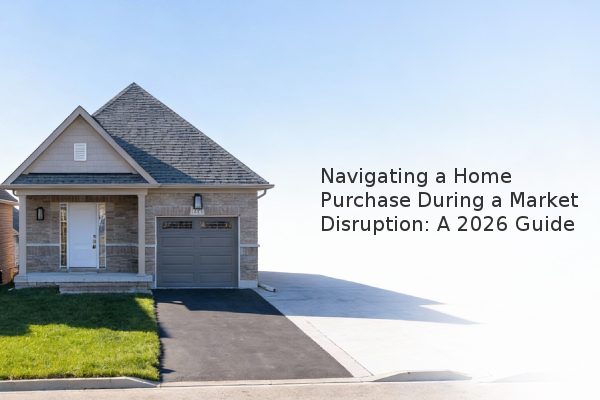
Purchasing a home during a significant market disruption requires patience, flexibility, and a clear understanding of modified procedures. Based on our experience assessment, successful transactions are possible by adapting to remote workflows, understanding new safety protocols, and preparing for potential delays in moving schedules. This guide outlines the key steps and considerations for buying a home when standard processes are altered.
What are the initial steps when buying a home during a disruption?
The foundation of any real estate transaction is the purchase agreement. This is a legally binding contract between the buyer and seller outlining the terms of the sale. Once your offer is accepted, it's crucial to proceed with due diligence as if the closing date is firm, even if uncertainty exists. This means working promptly with your mortgage lender—the financial institution providing the loan—to submit all required documentation. Many lenders now operate fully remotely, allowing for digital submission of paperwork. Key steps include securing a rate lock, which is a lender's guarantee of a specific interest rate for a set period, and moving the file to the underwriter, the party responsible for assessing loan risk. Proactive communication during this phase is critical to keeping the transaction on track.
How do government guidelines impact a real estate transaction?
Government directives can directly affect which business activities are permitted. In some situations, real estate may be classified as a non-essential service, leading to office closures. However, exemptions often exist for transactions already under contract. It is essential to stay informed about local orders and how professional organizations, like state Realtor® associations, interpret them. These groups provide updated safety guidelines for industry professionals. The ability to close may hinge on whether a jurisdiction permits remote closings, also known as virtual settlements, where documents are signed electronically. If remote closings are not an option, transactions may be paused until in-person activities are permitted again, highlighting the importance of understanding local regulations.
What does a modified closing process look like?
The final closing, or settlement, is the meeting where property ownership is legally transferred. In a modified environment, this process prioritizes safety. A typical in-person closing might involve the buyer, seller, both real estate agents, and a title officer—the representative from the title insurance company who oversees the signing. Title insurance protects the lender and buyer against losses from disputes over the property's ownership. In a current setting, the meeting is often minimized. The seller may sign documents separately to reduce the number of people present. The remaining participants may practice strict social distancing, wear protective equipment, and use separate pens. The final walk-through of the property might also be conducted alone by the buyer, using video chat to involve their agent remotely.
What challenges can arise after closing?
Becoming a homeowner doesn't always mean immediate occupancy. The most common post-closing challenge involves moving in, especially in multi-unit buildings like a condo (short for condominium, which is a privately owned unit within a larger community). Building management may have restrictions on guest or mover access to protect residents. This can create a difficult situation where you begin paying your mortgage—the loan used to purchase the property—before you can physically reside there. It is vital to communicate with the condominium association or property manager early to understand their specific policies and any planned phased easing of restrictions. Patience and flexible planning are the most important tools for navigating this final phase.
Successfully buying a home under unusual circumstances is achievable by focusing on clear communication, understanding legal and safety guidelines, and maintaining flexibility throughout the process.