Browse

Log in / Register
 Share
Share
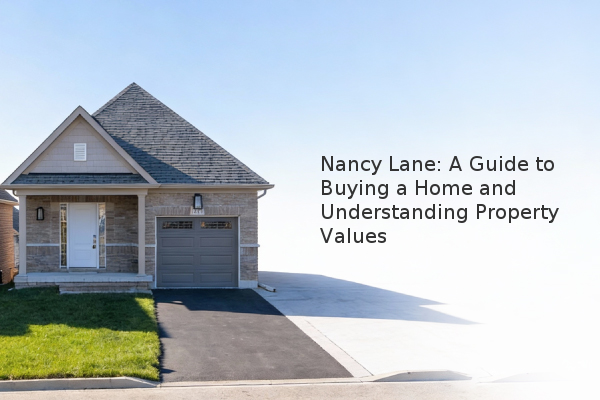
Purchasing a home on a street like Nancy Lane often represents an attractive opportunity for buyers seeking a established community with potential for stable property values. While "Nancy Lane" itself is a common street name found in towns across the United States, the principles for evaluating any specific residential lane remain consistent. This guide provides a objective framework for assessing a property on a Nancy Lane, focusing on key factors that influence home buying decisions and long-term value. The core considerations include location analysis, property condition, and market dynamics.
The most critical factor is not the street name itself, but its specific location within a city or town. A Nancy Lane in a sought-after school district or near major employment centers will command a different value than one in a less developed area. When evaluating the location, prospective buyers should research the micro-location. This involves looking beyond the city name to the immediate neighborhood's characteristics, such as proximity to parks, shopping, and public transportation. The quality of the local school district, even for those without children, is a significant driver of property values, as it impacts resale potential. Additionally, investigating future development plans for the area surrounding Nancy Lane is crucial, as new infrastructure or commercial projects can affect both quality of life and property prices.
Once the location is deemed satisfactory, the focus shifts to the individual property. A thorough assessment involves both a visual inspection and professional evaluations. Key elements to examine include the age and state of the roof, HVAC system, plumbing, and electrical wiring. Title insurance is a non-negotiable safeguard in any real estate transaction. This type of insurance protects the homeowner and lender from financial loss due to defects in the property title, such as unknown liens or ownership disputes. It is a one-time purchase paid at closing. Understanding the price per square foot compared to recent sales of similar homes, or comparables (comps), on nearby streets provides a data-driven basis for offer pricing.
The table below illustrates a simplified comparison of hypothetical properties near a Nancy Lane to establish a market baseline.
| Property Address | Sale Price | Square Footage | Price per Sq Ft | Key Features |
|---|---|---|---|---|
| 123 Maple Ave | $450,000 | 2,000 | $225 | Updated Kitchen |
| 456 Oak Street | $475,000 | 2,100 | $226 | Finished Basement |
| 78 Nancy Lane | Listed: $465,000 | 2,050 | $227 | Large Yard |
The financial process begins with securing a mortgage pre-approval, which provides a clear budget and strengthens your offer. Following a successful offer, you will enter the due diligence period, which includes a professional home inspection and appraisal. The appraisal, required by the lender, ensures the property's value supports the loan amount. It's also the time to finalize your mortgage terms and secure title insurance. Before closing, you will receive a Closing Disclosure, which outlines all the final costs, including the down payment, lender fees, and property transfer taxes. This is a state or local tax levied on the transfer of the property title from the seller to the buyer. Costs can vary significantly, so understanding this expense is essential for budgeting.
Based on our experience assessment, a methodical approach is paramount when considering a home on a street like Nancy Lane.
Ultimately, a home on Nancy Lane can be a sound investment if the location meets your lifestyle needs, the property is structurally sound, and the purchase price aligns with objective market data. By focusing on these verifiable factors, buyers can make a informed decision.