Browse

Log in / Register
 Share

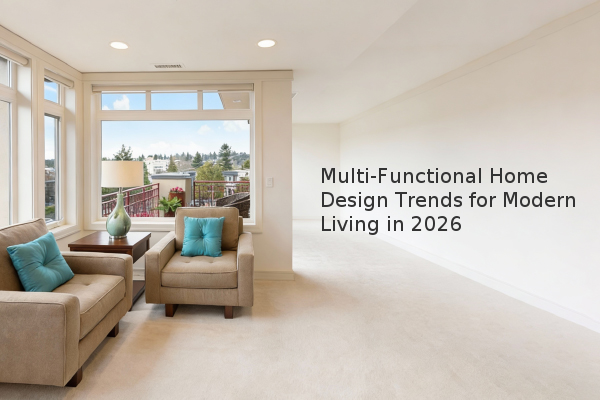
American homeowners in 2026 continue to prioritize versatile and functional home design, driven by a lasting shift in how residential spaces are used. Based on our experience assessment, the most significant trends revolve around creating dedicated activity zones, integrating flexible furniture, and embracing natural color palettes. These design choices are directly influenced by the need for homes to accommodate remote work, fitness, and entertainment, all within a single property.
What are the most sought-after dedicated activity rooms? While the demand for home offices remains strong, homeowners are now creating highly specialized rooms. Spaces for art studios, home theaters, and wine tasting rooms are particularly popular. This trend is fueled by the reallocation of discretionary spending from travel and external entertainment to enhancing the home environment. A dedicated space for a specific hobby, such as painting, allows for greater focus and enjoyment without the need for a costly addition, often by converting existing areas like garages or basements.
Why are green and earthy tones dominating interior design? Neutral, earthy color palettes have largely replaced the cool grays of previous years. Shades of green, in particular, are being used extensively on kitchen cabinets, bathroom tiles, and accent furniture. This trend reflects a desire to create a calming, organic connection to the outdoors. Homeowners are also incorporating this theme with low-maintenance artificial plants and trees, which saw a significant rise in popularity. These design choices contribute to a serene atmosphere that supports well-being.
How are living spaces being transformed for comfort and style? The main living areas of the home are receiving focused upgrades to improve comfort and aesthetics for daily use and entertaining. The most notable trend is the investment in high-quality accent pieces, such as pillows and abstract art, to refresh a room without a full renovation. Display shelving is also trending, allowing homeowners to personalize their space with collections and décor. The emphasis is on creating an inviting environment that feels both stylish and comfortable for everyday life and for hosting guests.
What flexible furniture solutions maximize space? The demand for multi-functional furniture is higher than ever. Pieces like Murphy beds (a bed that folds up into a wall cabinet), storage ottomans, and swivel accent chairs are key to creating flexible spaces. These items allow a single room to serve multiple purposes—for example, a home office that converts into a guest room. Searches for solutions like TV armoires with pocket doors and nesting side tables have increased dramatically, as they offer clever storage and space-saving benefits without requiring construction.
Are outdoor and luxury home features still important? Yes, upgrades to outdoor living areas and the incorporation of luxury materials remain a priority for homeowners. Pools with integrated water features, fire pits, and sun shelves are sought-after enhancements that extend the home's livable space. Inside, there is a sustained interest in luxurious materials like velvet and metallic finishes, such as gold table lamps. The key is strategic incorporation; a single statement piece can add a sense of glamour and sophistication to a room, making a significant visual impact without a full-scale remodel.