Browse

Log in / Register
 Share

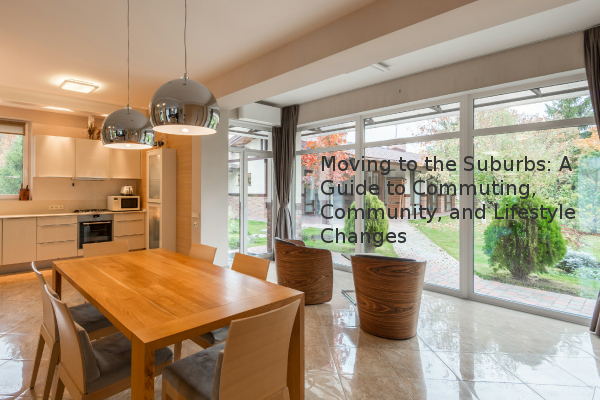
Relocating from a city to the suburbs involves significant lifestyle changes centered around commuting, community integration, and adjusting to a new pace of life. Based on our experience assessment, a successful move requires a clear understanding of the trade-offs, particularly the commute time and the process of becoming part of a neighborhood. The core benefits often include more space, a sense of community, and a different environment for raising a family.
The primary practical concern when moving to the suburbs is the daily commute. A manageable commute is often defined by its consistency and duration rather than just distance. For professionals working in urban centers, selecting a home within an easy commuting distance—typically via reliable train lines or highways—is critical. This involves researching average travel times during peak hours, not just ideal conditions. The goal is to find a balance where the travel time does not negatively impact quality of life, allowing you to enjoy the benefits of your new home. Proximity to public transportation hubs can also significantly affect property value and daily convenience.
Suburban life often promotes a shift towards a more residential-focused routine. Activities like walking children to school, visiting local parks, and interacting with neighbors become integral parts of the day. This environment frequently offers more physical space, both indoors and outdoors, which can be a significant change from city apartment living. This space allows for larger living areas, private yards for entertaining, and room for children to play. The pace is generally perceived as slower and more family-oriented, with an emphasis on community events and local amenities over the immediate, 24/7 accessibility of a city.
Becoming part of a suburban community often happens organically but can be encouraged through simple actions. New residents might experience welcoming gestures from neighbors, which can be a cornerstone of building local connections. Participating in local activities, such as school events or visiting neighborhood parks, accelerates integration. The community dynamic is often characterized by a higher degree of interaction among residents, fostering a network of local support. Based on our experience assessment, being open to these interactions is key to feeling settled and establishing a sense of belonging in a new town.
The decision to move to the suburbs involves weighing a longer commute against the benefits of more space and a strong community atmosphere. A successful transition is built on realistic expectations for travel, an embrace of a different daily rhythm, and active participation in neighborhood life. Researching commute options thoroughly before purchasing and being open to community interactions are crucial steps for a positive experience.