Browse

Log in / Register
 Share
Share
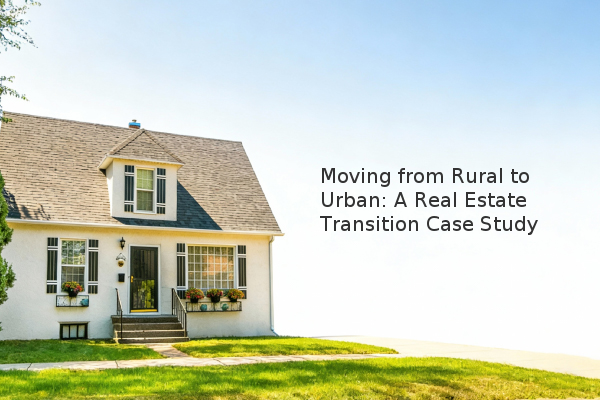
Relocating from a rural family home to an urban property is a significant real estate decision that impacts lifestyle, finances, and family dynamics. This transition, as illustrated by a personal account from actress Louisa Jacobson, involves navigating substantial changes in property type, community environment, and lifestyle amenities. While initially challenging, a well-managed move can lead to successful adaptation and even substantial property value appreciation, demonstrating the importance of a strategic approach to real estate relocation.
The primary distinction lies in the property type and surrounding environment. Rural properties, like the Jacobson family's New England abode, often offer more space, privacy, and direct access to nature. This can be ideal for fostering creativity and outdoor activities. Urban properties, such as the Greenwich Village townhouse, typically provide proximity to cultural institutions, career opportunities, and a dense social network. The trade-off usually involves less private outdoor space and a higher cost per square foot. Understanding these fundamental differences is crucial for setting realistic expectations before a move.
A successful relocation, especially for children, hinges on emotional preparation and maintaining familiar routines. Based on our experience assessment, validating a child's concerns about leaving friends and a known environment is a critical first step. Parents can facilitate adjustment by highlighting the positive aspects of the new location, such as exploring new parks or cultural attractions. In this case, the family ensured continuity by incorporating creative activities, like art and storytelling, which helped preserve a sense of stability amidst the change. Maintaining consistent family rituals can provide comfort and a sense of normalcy in a new setting.
The financial aspect of moving from a rural to an urban market can be significant. The Jacobson family's New York City townhouse, purchased for $2.2 million in 1995, was sold a decade later for $9.1 million. This demonstrates the potential for capital appreciation in prime urban locations. However, such markets also come with higher property taxes and maintenance costs. A financial assessment comparing the long-term investment potential against the immediate increase in living expenses is essential before committing to a purchase in a high-cost urban area.
The features of a new property play a major role in long-term satisfaction. While the initial focus might be on the loss of rural space, identifying a home with compensating amenities is key. The townhouse featured an outdoor yard and a rooftop garden, offering private outdoor spaces rare in the city. Choosing a property that aligns with core lifestyle values—whether it's natural light, architectural character, or proximity to green spaces like Washington Square Park—can significantly improve the quality of life post-move. Selecting a home that supports your non-negotiable needs is a vital part of the decision-making process.
Ultimately, a major real estate transition requires careful planning and a focus on the long-term benefits. While emotional attachment to a family home is powerful, a strategic move can offer new opportunities for personal growth and financial gain. The key is to approach the process with open communication, thorough research on the new market, and a clear understanding of your family's priorities.