Browse

Log in / Register
 Share

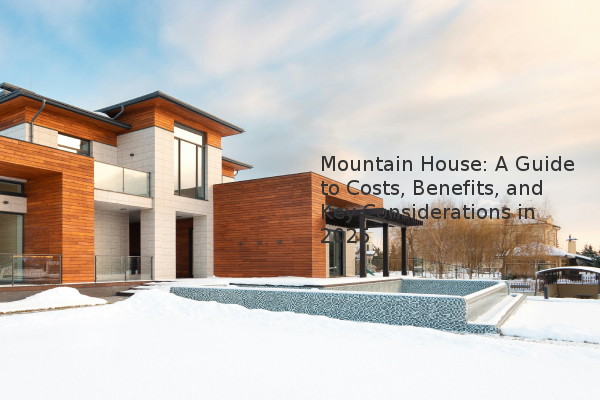
Purchasing a mountain house represents a significant lifestyle and financial decision, offering a unique blend of recreational opportunity, natural beauty, and potential investment upside. Based on our experience assessment, the core appeal lies in the promise of a personal retreat, but it requires careful planning around location-specific challenges, maintenance demands, and a budget that extends beyond the initial purchase price. This guide outlines the essential factors, from understanding market dynamics to anticipating ongoing costs, to help you make an informed decision.
What Are the Primary Benefits of Owning a Mountain House?
The advantages of a mountain property extend beyond a simple vacation spot. Many buyers are drawn to the potential for appreciation, as desirable mountain locations often have limited space for new development, which can drive up property values over time. From a lifestyle perspective, a mountain house provides a dedicated space for outdoor activities like hiking, skiing, and fishing, contributing to improved well-being. It can also serve as a future retirement home or generate rental income when not in use. Importantly, owners gain a sense of privacy and escape from urban environments that is difficult to replicate elsewhere.
What Are the Unavoidable Costs and Financial Considerations?
The financial commitment for a mountain house goes far beyond the mortgage. Prospective buyers must budget for several recurring expenses. Property taxes can vary significantly between counties, even within the same state. Additionally, insurance premiums are often higher than for a standard home due to risks like wildfires, heavy snowfall, and limited access for emergency services. Maintenance is a major consideration; budgeting for snow removal, roof repairs due to heavy snow load, septic system upkeep, and potential pest control is essential. Setting aside 1-2% of the home's value annually for maintenance is a prudent rule of thumb.
| Expense Category | Typical Annual Cost Range | Notes |
|---|---|---|
| Property Insurance | $1,500 - $4,000+ | Highly dependent on specific location risks (fire, flood zones). |
| Routine Maintenance | $3,000 - $10,000+ | Includes snow removal, landscaping, HVAC servicing. |
| Property Taxes | Varies by locality | Can be a significant annual sum; research rates before buying. |
| Utilities (if year-round) | $2,400 - $6,000 | Heating costs can be high, especially with propane or oil. |
How Does Location Impact Your Mountain House Experience?
The choice of location is arguably the most critical decision. A key factor is accessibility; consider the drive time from your primary residence and the condition of access roads, especially during winter months. Proximity to a town for supplies, medical services, and dining can greatly enhance convenience. It is also vital to understand the land rights associated with the property. For instance, is the land Freehold, meaning you own the property and the land it sits on outright? Or does it have usage restrictions? Researching water rights is another crucial step, as some properties may rely on wells that are susceptible to drought.
What Are the Key Pitfalls to Avoid When Buying?
A thorough home inspection is non-negotiable. Hire an inspector experienced with mountain properties who can assess the foundation, roof structure for snow load capacity, and the integrity of the well and septic systems. Many mountain homes use alternative systems like propane tanks for heating and cooking, which require regular refills and have associated costs. Be wary of properties with a history of moisture or mold issues, which can be common in humid, high-altitude environments. Finally, check for any Homeowners Association (HOA) rules that might restrict rentals, architectural changes, or even the type of vehicles you can park.
Conclusion: Is a Mountain House Right for You?
Ultimately, owning a mountain house is a rewarding but demanding endeavor. The decision should balance emotional desires with a clear-eyed view of the financial and practical responsibilities. Thoroughly research all location-specific costs and risks before committing. Secure a specialized home inspection to uncover potential hidden issues. Develop a realistic long-term budget that includes all recurring maintenance and utility expenses. By addressing these key areas, you can better determine if a mountain retreat aligns with your lifestyle and financial goals.