Browse

Log in / Register
 Share
Share
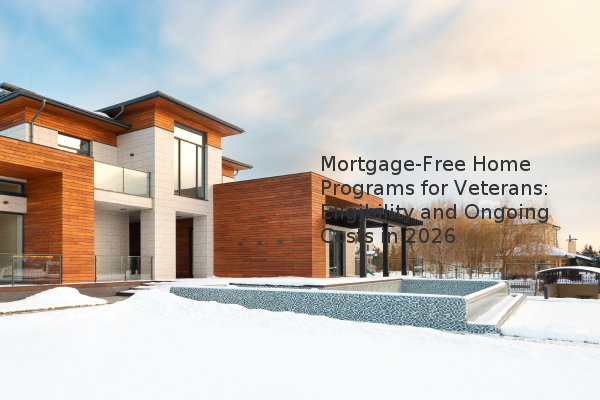
For qualified veterans and military families, mortgage-free home programs can provide a significant path to homeownership by eliminating the largest monthly expense: the mortgage payment. However, it is crucial to understand that recipients remain responsible for ongoing costs like property taxes, home insurance, and HOA fees. These programs are highly competitive, with thousands of applicants for a limited number of available homes each year. Success often depends on a thorough application and meeting specific eligibility criteria set by nonprofit organizations.
Mortgage-free home programs are initiatives typically run by nonprofit organizations that provide homes to veterans without a mortgage. The homes are often donated by corporate partners, such as financial institutions or builders, and are renovated to be move-in ready. The primary goal is to build strong, stable military families by alleviating the financial burden of a home loan. It is important to understand that "mortgage-free" means the recipient does not have a monthly principal and interest payment to a lender; it does not mean the home is entirely free of all associated costs. These programs are distinct from VA home loans, which are government-backed mortgages that still require repayment.
Eligibility varies by organization but generally encompasses a broad range of service members. Programs may focus on veterans who were disabled during their service, while others, like Operation Homefront's Homes on the Homefront program, assist a wider group. This can include female veterans, military families with both spouses serving, and veterans from any era who may have benefited from transitional housing. Each program has its own application process and set of requirements, which often involve demonstrating financial need and a commitment to long-term homeownership stability.
While the mortgage is eliminated, homeowners are still responsible for several recurring expenses. Property taxes, which are annual or semi-annual charges levied by local governments based on the home's value, must be paid. Homeowners insurance (HOI), a policy that protects against damages from events like fires or storms, is also a required ongoing cost. Additionally, if the home is in a community with a Homeowners Association (HOA), monthly or annual fees for amenities and maintenance are mandatory. Based on our experience assessment, budgeting for these costs, which can total thousands of dollars per year, is essential for long-term success in the home.
Recognizing the challenges of homeownership, many programs offer extended support services. This often includes access to licensed social workers who understand military families' unique needs and provide counseling on topics like debt reduction and community integration. Programs may also offer assistance with home repairs for a set period, typically up to three years after move-in. This holistic approach is designed to ensure veterans not only receive a home but also have the tools and knowledge to build equity and thrive as homeowners.
The key to navigating these opportunities is thorough research and a complete, timely application. Prospective applicants should directly consult the websites of reputable nonprofit organizations to understand current eligibility requirements and application timelines. While competition is high, these programs represent a valuable resource for achieving homeownership without the burden of a mortgage.