Browse

Log in / Register
 Share

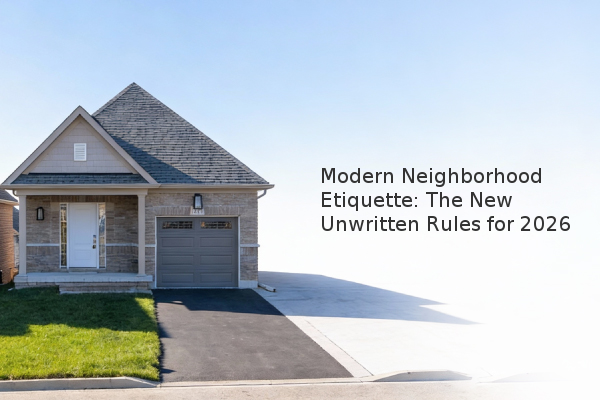
Understanding the new rules of neighborhood etiquette is essential for maintaining positive relationships in today's communities. Based on our experience assessment, successful neighborly conduct now prioritizes digital communication, respects privacy boundaries, and involves proactive consideration. The core conclusion is that technology has reshaped interactions, making advance notice the standard and transforming how we build local connections. A study by the City Observatory highlights this shift, finding that only about one-third of homeowners know their neighbors by name, underscoring the need for updated social guidelines.
The era of unannounced visits is over. Advance communication is now the cornerstone of considerate neighborly interaction. "The technology that was created to connect us has left many ever more physically disconnected," observes a neighborhood etiquette expert. This means spontaneous door-knocking can be intrusive. The modern protocol involves sending a brief text message to ask if a visit is convenient. A simple message stating you have an item to drop off and asking, "Is now a good time?" respects the recipient's schedule and privacy. This approach allows them to prepare, ensuring the interaction is welcome and stress-free.
Just like adults, children's schedules are often packed with extracurricular activities. The old norm of kids showing up unannounced to ask a friend to play is now considered disruptive. "It's courteous to be mindful of those busy schedules by planning play dates in advance," explains an etiquette consultant. The recommended method is for parents to coordinate via text or email. This planning demonstrates respect for the other family's time and routine. It also helps avoid situations where a child's unexpected arrival interrupts homework, meals, or other planned activities, fostering a more harmonious environment for everyone involved.
The rise of affordable video surveillance has introduced new privacy concerns. When installing security cameras, you must limit their scope to your own property boundary. Recording a neighbor's yard or windows without consent is a significant invasion of privacy and may violate local laws. "For reasons of privacy, I would encourage property owners to limit the scope of all videotaping to the boundary of their own property," advises an etiquette expert who is also an attorney. If your property line is small, review the camera's field of view carefully. If recording beyond your line is unavoidable, it is critical to communicate with your neighbors and, based on our experience assessment, consult local regulations regarding privacy and recording.
While not mandatory, digital platforms can effectively rebuild the community ties that have diminished. "While technology might have started the trend toward fewer interactions with your neighbors, it can also be the key to changing that trend," says a community expert. Platforms like hyperlocal social networks, which use your address to connect you with nearby residents, can be valuable tools. These private groups allow you to share information about neighborhood events, report suspicious activity, or organize help. This digital connection serves as a modern supplement to face-to-face interaction, offering a low-pressure way to stay informed and engaged with your community.
The traditional practice of swapping physical keys with a trusted neighbor is still valid, but it now includes digital access. Sharing alarm codes, garage door passwords, and essential electronics instructions can be crucial for emergency preparedness. This allows a neighbor to assist if you are away—for example, to close an open garage door or adjust the thermostat during a freeze. This exchange should be based on mutual trust and clear communication, ensuring both parties are comfortable with the arrangement. It modernizes the concept of being a good neighbor by extending help to the digital aspects of home management.
Major home projects create noise, dirt, and inconvenience for the entire street. Proper etiquette requires proactive communication. Before work begins, send a written note or email to adjacent neighbors with your contact information and the project's anticipated timeline. This gesture shows consideration and provides a direct line for them to voice any concerns about contractor parking or hours of operation. Following the project's completion, a simple gesture like inviting neighbors over can help mend any strained relations and strengthen community bonds, demonstrating appreciation for their patience.
Navigating neighborhood dynamics in 2026 requires a blend of old-fashioned consideration and new digital tools. The most important rule is to prioritize communication and respect for privacy. Always text before visiting, plan children's activities, and ensure your security measures don't infringe on others. Leverage technology to foster connections rather than create distance. By embracing these evolved guidelines, you can contribute to a respectful and pleasant community environment where everyone feels comfortable.