Browse

Log in / Register
 Share
Share

Modern houses, characterized by their clean lines, open floor plans, and integration with nature, represent a distinct and sought-after segment of the 2026 real estate market. For buyers, understanding the defining architectural elements, current market trends, and potential maintenance considerations is crucial for making an informed investment. The core appeal of a modern home lies in its emphasis on simplicity, functionality, and a connection to the outdoors, a design philosophy that continues to resonate strongly with today's buyers.
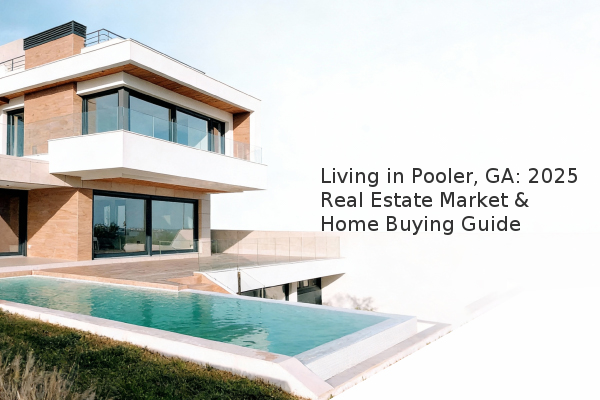
The term "modern" in real estate typically refers to a style inspired by the mid-century modern movement and contemporary interpretations of those principles. Key features include flat or low-slope roofs, expansive glass windows and walls, and an open floor plan that minimizes separation between living spaces. The use of natural materials like wood, stone, and metal is prevalent, often showcasing their raw textures. A minimalist aesthetic is paramount, favoring built-in storage and clean geometric forms over ornate detailing. Upon first mention, an open floor plan is a layout that combines common living areas, such as the kitchen, dining room, and living room, into one unified space, enhancing social interaction and natural light flow.
In 2026, modern house design continues to evolve with a heightened focus on sustainability and smart technology. New constructions often incorporate energy-efficient systems, such as solar panels and high-performance insulation, to reduce the carbon footprint and utility costs. Smart home integration, allowing for the control of lighting, climate, and security via mobile devices, has become a standard expectation rather than a luxury. Furthermore, the blending of indoor and outdoor spaces remains a top priority, achieved through large sliding glass doors that open to patios, decks, and landscaped gardens, effectively expanding the livable area.
While aesthetically pleasing, modern homes can present unique financial considerations. The extensive use of specialized glass and flat roofing systems often comes with higher installation and maintenance costs compared to traditional homes. Prospective buyers should budget for potential expenses. For example, the cost to replace a large, custom-fitted window can be significant. It is also essential to hire a home inspector with experience in modern properties to assess the condition of these unique elements. The following table outlines potential cost considerations based on our experience assessment:
| Feature | Potential Maintenance Consideration | Estimated Cost Range (2026) |
|---|---|---|
| Flat Roof | Requires specialized materials and expertise for repairs. | $5,000 - $15,000+ |
| Large-Pane Windows | Higher cost for replacement and potential energy inefficiency if older. | $800 - $3,000 per window |
| Specialized Siding (e.g., Metal, Stucco) | Repairs can be more complex than with traditional vinyl siding. | $1,000 - $10,000+ per project |

The resale value of a modern house is largely influenced by its location and the quality of its construction. In urban and desirable suburban markets, a well-maintained modern home can command a premium due to its distinctive style and energy-efficient features. However, in areas where traditional architecture dominates, the buyer pool may be smaller. The key to preserving value is meticulous maintenance of the home's signature elements, ensuring that the roof, windows, and mechanical systems are in excellent condition. A dated or poorly maintained modern home can be a harder sell than a similarly aged traditional property.
In summary, purchasing a modern house requires a clear understanding of its architectural principles, a commitment to proactive maintenance, and a realistic budget for associated costs. Prioritize a thorough inspection, factor in long-term upkeep expenses, and assess the local market's appetite for modern design to ensure your investment is sound.