Browse

Log in / Register
 Share

A modern house in 2026 is defined by clean lines, minimalist aesthetics, and a strong emphasis on energy efficiency and smart home integration. These homes prioritize open floor plans that create a seamless flow between living areas and maximize natural light. For buyers and builders, understanding these core features is essential for making informed decisions in today's real estate market. This overview outlines the key characteristics that define contemporary residential architecture.
What Defines a Modern House Exterior?
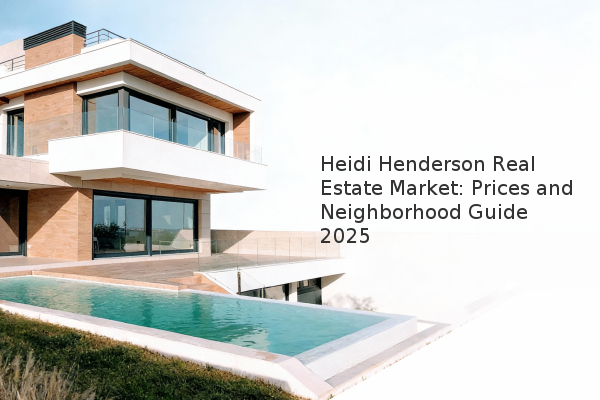
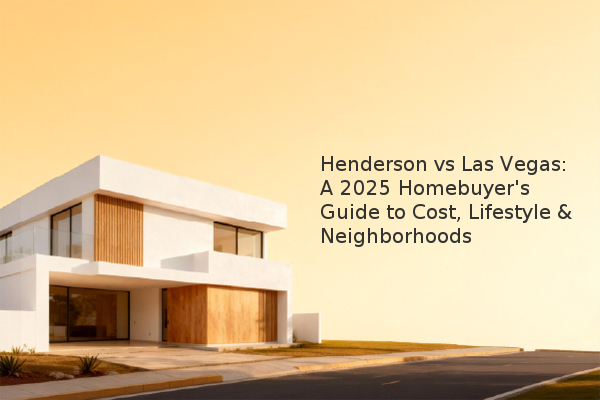
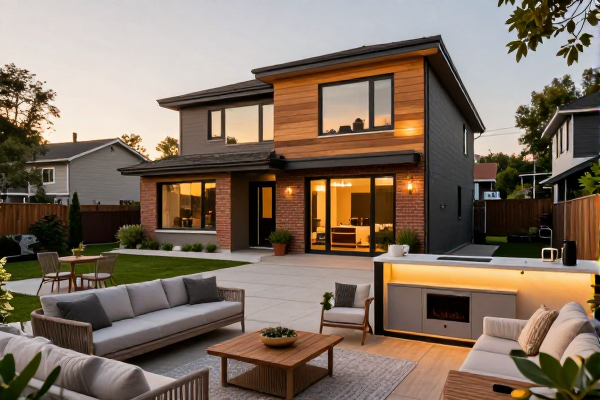
The exterior of a modern house is instantly recognizable. Key elements include flat or low-slope roofs, large expanses of floor-to-ceiling windows, and the use of mixed materials like metal, glass, and concrete. The landscaping often complements the architecture with clean, geometric lines and drought-resistant plants, reflecting a move toward sustainability. Based on our experience assessment, curb appeal in modern design is achieved not through ornamentation but through the bold, intentional use of form and material. The emphasis is on creating a connection with the outdoors, blurring the line between inside and outside.
What are the Hallmarks of a Modern Interior Layout?
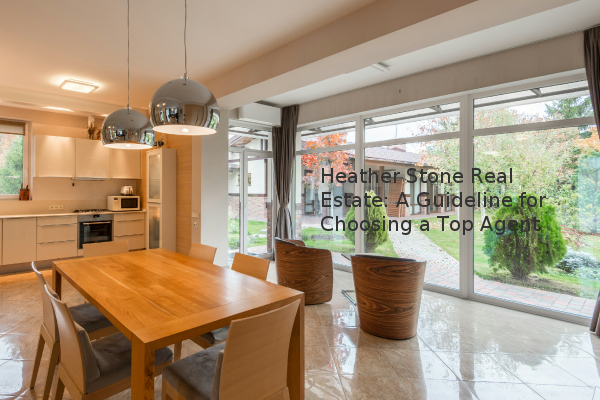
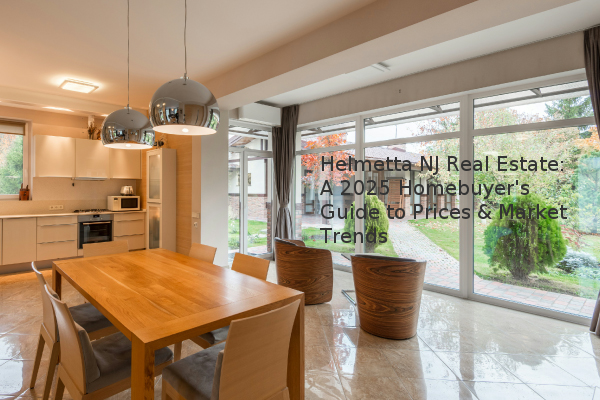
Inside, the modern house is characterized by its open floor plan. This design eliminates unnecessary walls, combining the kitchen, dining, and living areas into one large, multifunctional space. This layout is highly sought after for its ability to facilitate social interaction and make a home feel more spacious. High ceilings, often with exposed beams, and a neutral color palette dominated by whites, grays, and blacks are standard. Storage is typically integrated and minimalist, featuring built-in cabinetry to maintain the clean, uncluttered look.
| Modern Interior Feature | Common Materials & Finishes |
|---|---|
| Flooring | Polished concrete, wide-plank hardwood, large-format tiles |
| Kitchen Countertops | Quartz, granite, concrete |
| Cabinetry | Sleek, handle-less designs in wood or lacquer |
| Lighting | Recessed LED lighting, statement pendant lights |
How Important is Technology in a Modern Home?
In 2026, technology is not an add-on but a cornerstone of modern house design. A smart home system that integrates lighting, security, climate control, and entertainment is a standard expectation. These systems are often controlled via a centralized hub or smartphone app. Furthermore, energy efficiency is paramount. This includes high-performance insulation, energy-star rated appliances, and, increasingly, solar panel installations. These features not only reduce the homeowner's carbon footprint but also lead to significant long-term savings on utility bills, a key consideration for any buyer.
What Should Buyers Consider When Purchasing a Modern House?
Prospective buyers should be aware of several factors. While the aesthetics are appealing, the maintenance of specific materials, like large glass windows or specialized flat roofing systems, can require specific knowledge and potentially higher costs. It is crucial to secure a thorough home inspection conducted by an inspector familiar with modern construction techniques. Additionally, verifying the functionality and compatibility of all integrated smart technology is essential. Understanding the property tax implications, which can be influenced by the home's value and any green energy upgrades, is also a critical step in the purchasing process.

In summary, the modern house of 2026 is a blend of sophisticated design and practical, forward-thinking technology. When evaluating such a property, focus on the integrity of the open floor plan, the quality of the energy-efficient systems, and the seamless operation of the smart home features. A clear understanding of these elements will ensure you make a sound investment in a home that is both beautiful and built for contemporary living.