Browse

Log in / Register
 Share
Share

Modern homes, characterized by their clean lines, open floor plans, and integration with nature, represent a distinct and sought-after segment of the US real estate market. For buyers, understanding the defining features, potential costs, and specific maintenance considerations of this architectural style is crucial for making an informed purchase decision. The core appeal of a modern home lies in its emphasis on simplicity, functionality, and a connection to the outdoor environment, which often comes with a premium price tag and specific upkeep requirements compared to traditional homes.
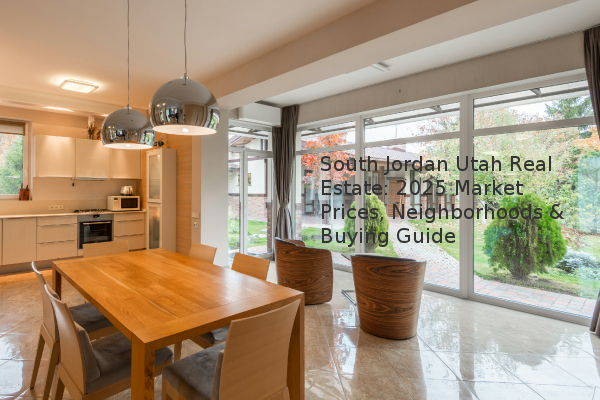
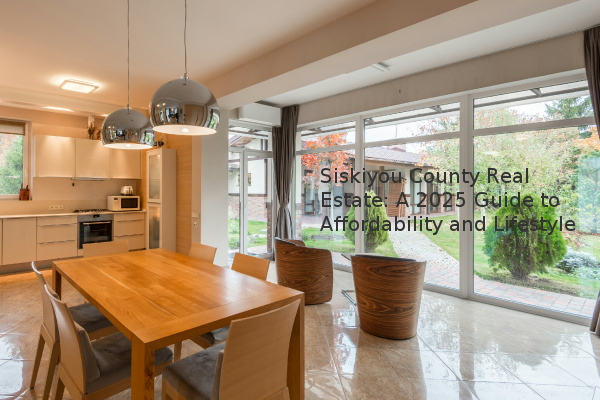
The term modern home refers to a style of residential architecture that emerged in the 20th century, prioritizing form following function. Unlike older, traditional homes, modern designs typically avoid unnecessary ornamentation. Key characteristics include flat or low-sloping roofs, large expanses of glass (such as floor-to-ceiling windows), and an open-concept living space that minimizes the separation between rooms. The materials used are often industrial, like steel, concrete, and glass, complemented by natural elements such as wood and stone. This architectural approach creates bright, airy interiors that feel spacious and are designed to blur the boundary between inside and outside.
When considering a modern home, buyers are often drawn to specific features that impact daily living. The open floor plan is a hallmark, eliminating walls between the kitchen, dining, and living areas to create a communal space ideal for entertaining and family life. The extensive use of glass not only maximizes natural light but also offers panoramic views, which can be a significant value-add, especially in scenic locations. Furthermore, modern homes frequently incorporate energy-efficient elements as a standard practice. This can include high-performance windows, advanced insulation, and smart home systems for climate control, which contribute to lower utility bills and a reduced environmental footprint over time.
Purchasing a modern home typically involves a higher initial investment. The cost per square foot is often greater than that of a traditional home due to the materials and specialized labor required for construction. Based on our experience assessment, buyers should budget for potential premiums. The table below provides a general comparison of average cost considerations.
| Feature | Modern Home | Traditional Home |
|---|---|---|
| Average Cost per Sq. Ft. | Higher ($250 - $400+) | Lower ($150 - $280) |
| Window/Wall System | Premium cost for large glass panels | Standard window costs |
| Specialized Materials | Steel, exposed concrete | Wood framing, brick veneer |
It is important to note that location, lot size, and the architect's reputation will significantly influence the final price. While the upfront cost is higher, the timeless design and energy efficiency can contribute to strong property value retention.
Beyond aesthetics, owning a modern home requires an understanding of its unique maintenance needs. The large glass facades, while beautiful, may require professional cleaning and can lead to higher heating and cooling costs if not properly specified. Title Insurance is a form of indemnity insurance that protects against financial loss from defects in the title to the property; it is essential for any home purchase but should be carefully reviewed to ensure all modern structural elements are adequately covered. Additionally, prospective owners should assess the orientation of the home on the lot, as passive solar gain through large south-facing windows is a benefit in winter but may require shading solutions for summer comfort.
In summary, thoroughly evaluate the architectural integrity, prioritize a specialized home inspection, and budget for potential maintenance of unique features like flat roofs and expansive glazing. Modern homes offer a unique lifestyle centered on light, space, and simplicity. A successful purchase hinges on aligning this distinct architectural style with your budget, lifestyle, and long-term property goals. Focus on the home's energy performance, the quality of its materials, and the cost of ongoing upkeep to make a sound investment.