Browse

Log in / Register
 Share


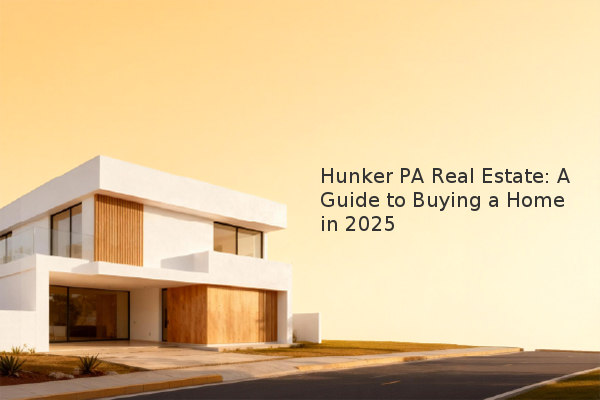
Extremely minimalist home design, as exemplified by some celebrity properties, prioritizes architectural form and a neutral palette but may present significant challenges for family living and could potentially impact resale value by narrowing the pool of interested buyers. This design philosophy, while creating a serene and visually expansive environment, requires careful consideration of practicality and market appeal.
What defines a minimalist design style in real estate? Minimalist design in real estate is an aesthetic approach centered on simplicity, neutral color schemes, and the principle of "less is more." It often involves stripping a space down to its essential elements, emphasizing clean lines, open floor plans, and a monochromatic palette—typically shades of beige, white, and gray. The goal is to create a sense of calm and order by eliminating clutter and visual distractions. For example, instead of ornate light fixtures and numerous artworks, a minimalist hallway might feature recessed lighting and bare, textured walls to highlight the architectural proportions of the space. While this can make a property feel larger and more tranquil, it is a deliberate stylistic choice that may not appeal to everyone.
How does a minimalist design affect a home's functionality for families? From a functional standpoint, a highly minimalist home can be challenging for families with children or pets. The extensive use of light-colored materials, such as white limestone floors or pale plaster walls, is not inherently child-friendly or pet-friendly. These surfaces are susceptible to stains, scuffs, and marks, which can make maintenance a constant concern. Based on our experience assessment, families often prioritize durability and ease of cleaning over strict aesthetic purity. A home that lacks warmth and appears too sterile may not facilitate the comfortable, lived-in feeling that many families desire. The practicality of a space is a critical factor in its long-term livability, and an ultra-minimalist design may compromise this for the sake of its aesthetic vision.
Can a minimalist interior design impact a property's resale value? Yes, a highly specific and pronounced minimalist design can impact a property's resale value by affecting its marketability. While the design might appeal to a niche segment of buyers who appreciate its architectural purity, it risks alienating a larger segment of the market. A property's value is ultimately determined by what a willing buyer will pay, and a design that feels cold or impractical to many can limit demand. Real estate professionals often advise homeowners to opt for neutral but warm decor that appeals to the broadest audience possible. A minimalist home, unless executed with widespread appeal in mind, may require a longer marketing time or a price adjustment to attract the right buyer, compared to a more conventionally furnished property.
| Design Feature | Potential Pro | Potential Con |
|---|---|---|
| Neutral Color Palette | Creates a sense of space and light | Can appear sterile or lack warmth |
| Minimal Furnishings | Highlights architectural details | May feel impractical for daily living |
| Bare Walls & Floors | Emphasizes clean lines and textures | High maintenance with kids/pets |
What should homeowners consider before committing to a minimalist renovation? Before undertaking a significant minimalist renovation, homeowners should carefully weigh their personal lifestyle needs against their aesthetic goals. It is crucial to consult with a real estate professional to understand current market trends in your specific area. Consider incorporating minimalist principles in a flexible way; for instance, using durable, easy-to-clean materials that mimic the desired look without sacrificing functionality. Investing in quality foundational elements that enhance the architecture is wise, but avoiding overly trendy or severe design choices can help protect the property's long-term value. The key is to strike a balance between personal taste and broad market appeal.
In conclusion, while minimalist design can create a stunning and unique living environment, it is not a one-size-fits-all solution. Homeowners should prioritize functionality and broad market appeal to safeguard their investment. The decision to embrace such a distinct style should be made with a clear understanding of both its aesthetic benefits and its potential practical and financial trade-offs.