Browse

Log in / Register
 Share
Share

Adopting a minimalist home design in 2026 is a strategic move for homeowners, directly linked to enhancing property value and buyer appeal. Based on our experience assessment, a decluttered, intentional aesthetic can make a property feel more spacious, modern, and easier to maintain, which are key selling points in today's real estate market. This approach focuses on quality over quantity, creating a neutral canvas that allows potential buyers to envision their own lives in the space, ultimately leading to a faster and more profitable sale.
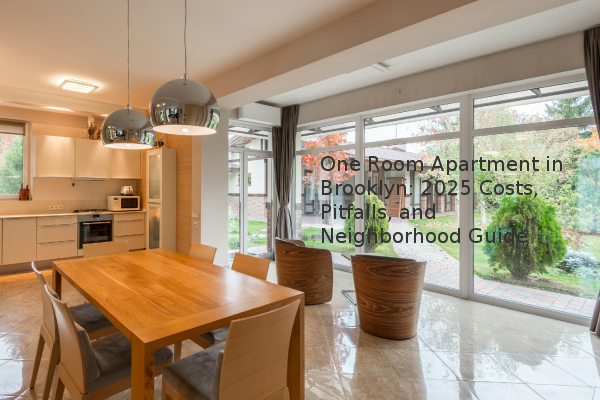
In real estate, minimalism is less about a specific design style and more about a strategy of subtraction. The core principle is to eliminate excess furniture, personal items, and clutter to highlight a home's best features, such as architectural details, natural light, and square footage. This process, often called depersonalization, is critical for home staging. It's not about creating a cold, empty space, but rather a warm, inviting, and neutral environment. By removing distractions, you direct attention to the positive aspects of the property that influence its valuation, like a recently updated kitchen or hardwood floors. The goal is to make the home appear move-in ready, which is a significant advantage in competitive markets.
A cluttered home can make even large rooms feel small and cramped. A minimalist strategy directly counters this by maximizing the perceived space, which is a major factor in a property's appraised value. When rooms are free of unnecessary items, sightlines are longer, and spaces feel more open and airy. This perceived increase in square footage is highly attractive to buyers. Furthermore, a well-maintained, minimalist space suggests that the home has been cared for meticulously. This perception of good upkeep can justify a higher asking price, as buyers often associate a clutter-free environment with a well-maintained structure, reducing concerns about hidden maintenance issues.
Before listing a property, a targeted minimalist approach is essential. The first step is to establish a realistic budget. Focus spending on impactful changes like a fresh coat of neutral paint or updating outdated light fixtures, rather than a full-scale remodel. The most effective—and often free—step is a thorough decluttering and depersonalization. This involves removing family photos, excessive knick-knacks, and any furniture that overcrowds a room. However, be strategic; decluttering does not mean removing all furniture. Essential, stylish pieces that define the function of a room should remain. The key is to create a balance where each item has a clear purpose and contributes to a sense of spaciousness.
A common mistake is equating minimalism with a cold, impersonal atmosphere. The objective is not to create a sterile model home but a welcoming one. Avoid stripping away all character. Instead, incorporate subtle visual interest through elements like a single, healthy houseplant, a piece of minimalist art, or a textured throw pillow. These touches add warmth without creating visual noise. Another critical error is using furniture that lacks function. Every piece in a staged home should suggest a purpose. An empty corner is better than one filled with a purely decorative item that serves no use, as buyers are increasingly drawn to homes that emphasize practicality and livability.
Once you have prepared your home for sale, maintenance is straightforward. Adopt a "less is more" mentality for the duration of the listing period. Be mindful of what is brought into the home during showings. A coffee table with a single decorative item is fine; one covered in mail, remotes, and magazines is not. The goal is to sustain the clean, spacious feeling that initially attracted potential buyers. This consistent presentation reinforces the property's value proposition and helps it stand out in online listings and during in-person tours. Based on our experience assessment, this disciplined approach significantly increases the predictability of a successful and timely sale.
In conclusion, applying minimalist principles to home preparation is a powerful tool for sellers in 2026. The essential steps are: a strategic declutter to enhance perceived space, a focus on neutral and functional furnishings, and the avoidance of a completely stark aesthetic. By following this guidance, homeowners can effectively showcase their property's best assets, making it more appealing to the broadest range of potential buyers and supporting a strong final sale price.