Browse

Log in / Register
 Share
Share
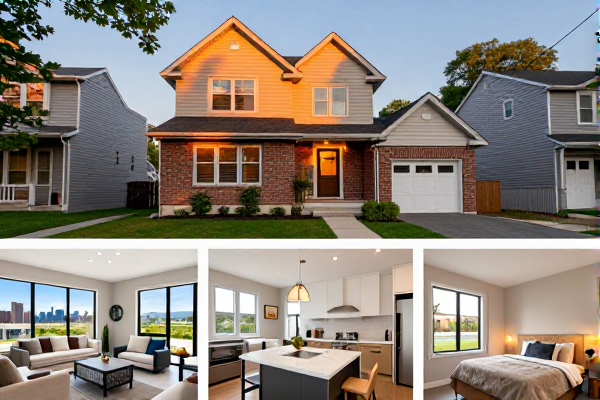
Understanding how Milwaukee zip codes correlate with property values, neighborhood characteristics, and market trends is fundamental for making informed real estate decisions in 2026. This guide provides a data-driven overview, revealing that home prices can vary by hundreds of thousands of dollars across different postal codes. Key factors such as school districts, proximity to Lake Michigan, and local amenities significantly influence these valuations, making a comparative market analysis essential for buyers and sellers alike.
A zip code is more than just a mailing address; it's a key identifier that encapsulates a neighborhood's economic and social profile. For real estate, a zip code directly impacts property taxes, school quality, and access to services. In Milwaukee, the difference between living in zip code 53211 (Shorewood) and 53206 (near North Avenue) can represent a dramatic shift in housing costs and community resources. When conducting a comparative market analysis (CMA), a standard method real estate professionals use to determine a property's value by comparing it to similar properties recently sold in the same area, the zip code is a primary filter. This analysis helps establish a realistic price point based on hyper-local market activity.
Based on aggregated market data from early 2026, here is a snapshot of the varying real estate landscapes across several prominent Milwaukee zip codes. The following table illustrates the median home sale price for single-family homes in these areas.
| Milwaukee Zip Code | Representative Neighborhoods | Approximate Median Home Sale Price (Early 2026) |
|---|---|---|
| 53217 | Whitefish Bay, Fox Point | $550,000 - $650,000 |
| 53211 | Shorewood | $450,000 - $550,000 |
| 53202 | Downtown, East Town | $350,000 - $500,000 (Condominiums) |
| 53207 | Bay View | $300,000 - $400,000 |
| 53208 | Riverwest | $250,000 - $350,000 |
| 53221 | Milwaukee Western Suburbs | $200,000 - $300,000 |
While the zip code provides a macro-level view, several micro-factors within each area can cause significant price differences. Property tax rates, while generally higher in Wisconsin than the national average, can still fluctuate between municipalities embedded within Milwaukee zip codes. The condition of the property, its square footage, and lot size are obvious drivers. Furthermore, proximity to negative factors like high-traffic corridors or industrial zones can suppress value, while being within walking distance of a park, popular shopping street, or public transit line can enhance it. It's crucial to look at the specific block and property, not just the postal code.

For home buyers, start by identifying zip codes that align with your budget and lifestyle needs. Use online tools to monitor listing activity in these areas, but always verify data with a local real estate expert. A buyer's agent can provide deeper insight into neighborhood trends that aren't apparent in online listings. For home sellers, a CMA focused on your exact zip code and comparable homes (comps) is the most reliable way to set a competitive listing price. Overpricing based on emotional attachment rather than market data is a common pitfall in a balanced market like Milwaukee's in 2026.
Ultimately, a Milwaukee zip code is a starting point for your research, not the final word. The most successful real estate decisions in 2026 will be based on a combination of macro zip code data and a micro-level analysis of the specific property and its immediate surroundings. Always consult with a qualified real estate professional to interpret this data within the context of your personal goals and the current market conditions.