Browse

Log in / Register
 Share
Share

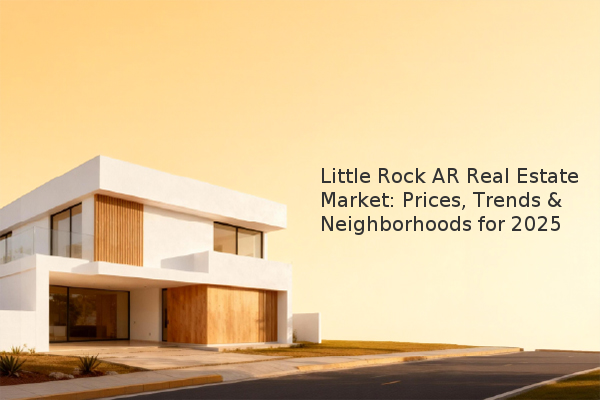
Mid-century modern (MCM) is a popular American architectural movement spanning from roughly 1940 to 1975, characterized by an emphasis on open living, integration with nature, and minimalist design. Unlike a single, uniform style, it is a collection of designs, including International, Contemporary, and Organic styles, which prioritize family-centric living and a connection to the outdoors. This guide breaks down the key characteristics and historical context of these distinctive homes.
The core principle of mid-century modern architecture is that "form follows function." Rebounding from World War II, there was a cultural shift towards building families and creating comfortable, informal homes. This led to specific design features:
The following table highlights the primary exterior materials used in these homes, based on historical data from the period:
| Material | Prevalence | Typical Use |
|---|---|---|
| Wood | Very High | Siding, exposed beams, ceilings |
| Glass | Very High | Large windows, sliding doors |
| Brick & Stone | High | Accent walls, fireplaces |
| Stucco | Moderate | Exterior walls (International style) |
| Concrete | Low | Structural elements (Brutalism) |
Mid-century modern encompasses several distinct styles, each with unique traits.
1. International Style Originating with European architects who immigrated to the U.S., this style is the most minimalist. It features flat roofs, metal casement windows, and a complete lack of decorative detail on doors or windows. The exterior is often smooth stucco. While more common for commercial buildings, notable residential examples are found in California and the Northeast.
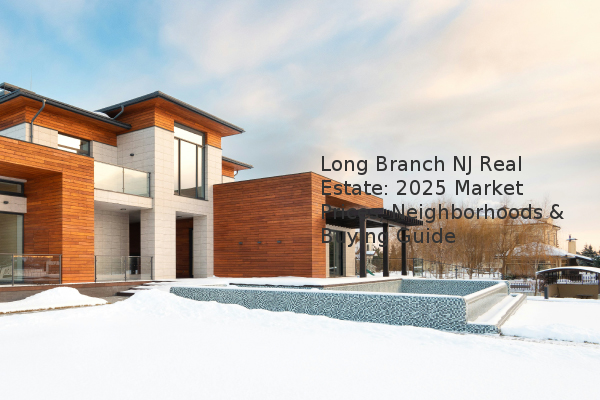
2. Contemporary Style This was the most popular style for residential homes. It shares the clean lines of the International style but incorporates more warm, natural materials like wood and stone. Key features include visible structural systems, such as exposed roof beams, and asymmetrical designs with recessed entrances. These homes are well-suited for natural settings like hillsides.
3. Organic Architecture Pioneered by Frank Lloyd Wright, this style rejects rigid right angles in favor of flowing, natural shapes that complement the home's environment. The most famous example, Fallingwater in Pennsylvania, is built directly over a waterfall. An organic MCM home is designed to fit its specific site, making each one unique.
4. Other Notable Styles
The mid-century modern movement was heavily inspired by Frank Lloyd Wright's earlier Prairie Style and his later Usonian homes. Prairie homes emphasized horizontal lines and blending with the landscape but often included ornate details. Mid-century modern is considered a distilled version, taking the essence of Wright's ideas—open plans, natural materials, and affordability for the middle class—and simplifying them further. Builder Joseph Eichler was directly inspired by a Wright-designed Usonian home and went on to build approximately 10,000 tract homes in California that embodied these principles.
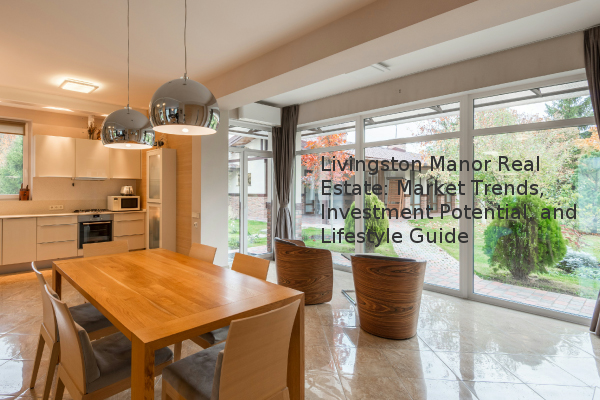
In summary, when identifying a mid-century modern home, look for these key elements: an open floor plan, extensive use of glass, a simple and clean aesthetic, and a strong connection to the outdoors. While styles vary, the overarching goal was to create a modern, functional, and family-friendly living environment.