Browse

Log in / Register
 Share
Share

Purchasing a Mid-Century Modern home involves understanding its unique architectural value and potential maintenance considerations. Based on our experience assessment, these properties, characterized by clean lines and integration with nature, often command a premium in specific markets like Los Angeles, but require a specialized inspection to assess the condition of original materials. The core appeal lies in the architectural integrity, which can be a sound long-term investment if the home has been properly preserved or sensitively updated.
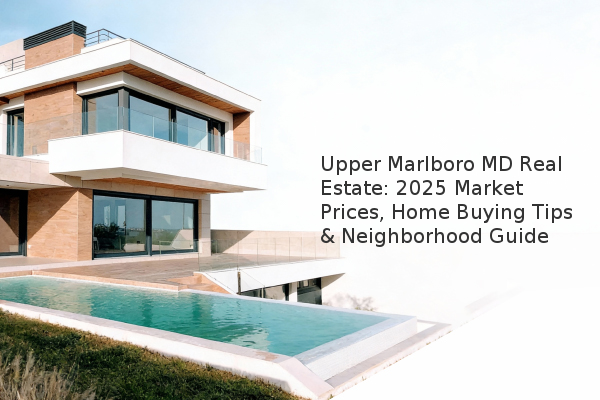
What defines a Mid-Century Modern home? Mid-Century Modern is an architectural style prevalent from the mid-1940s to the late 1970s, emphasizing simplicity and a connection to the outdoors. Key features include post and beam construction, which creates open, spacious interiors with high ceilings; floor-to-ceiling windows that blur the line between inside and outside; and minimalist aesthetics with clean lines. These homes often utilize natural materials like wood and brick, though these may have been painted over in subsequent updates. Understanding these defining elements is crucial for evaluating a property's authenticity and value.
What should you look for during a Mid-Century Modern home inspection? A standard home inspection is insufficient for these properties. You must hire an inspector familiar with vintage builds. Key areas of focus include the condition of the original single-pane glass in large windows, which may lack modern energy efficiency; the integrity of flat or low-slope roofs common to the style; and potential issues with outdated electrical systems or plumbing. The inspection should also assess any structural additions to ensure they were permitted and completed in a way that complements the original design, rather than detracting from it. A specialized inspection is non-negotiable to avoid costly surprises.
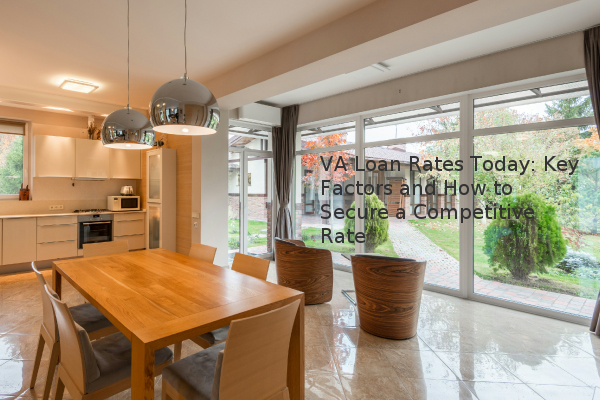
How does the architectural style impact property value? A well-maintained Mid-Century Modern home by a recognized architect can see significant appreciation. Value is heavily influenced by provenance (the architect's reputation) and the quality of preservation. For example, a home designed by noted architects like Conrad Buff and Donald Hensman, who designed many homes in Los Angeles, carries a premium. Updates should be sympathetic to the original design; modernizations that respect the period's aesthetic, such as European-style minimalist kitchens, typically add more value than trendy, incongruous renovations. The property's setting, such as a hillside perch with canyon views, also significantly enhances its market price.
What are the financial considerations beyond the purchase price? The sale price is just one component. Buyers must budget for potentially higher homeowners insurance due to the cost of replacing custom architectural features and specialized materials. Property tax assessments will be based on the final sale price. Furthermore, ongoing maintenance for features like expansive glazing, original hardwood floors, and unique landscaping (e.g., drought-tolerant native plants and infinity pools) can be above average. It is advisable to get insurance quotes and review recent tax assessments before finalizing a purchase.
Practical advice for a prospective buyer. Before purchasing a Mid-Century Modern property, verify the architect and renovation history through permits and documentation. Secure financing with a lender experienced in unique properties, as some may require additional appraisals. Finally, work with a real estate agent who specializes in architecturally significant homes; their expertise is invaluable for navigating the nuances of this niche market and ensuring you make a sound investment based on the home's true architectural merit and condition.