Browse

Log in / Register
 Share
Share

A Mediterranean house is a style of architecture inspired by the homes found in countries like Spain, Italy, and Greece, characterized by stucco walls, red tile roofs, and an emphasis on indoor-outdoor living. While offering timeless appeal, this style comes with specific maintenance considerations and costs that potential buyers and builders must evaluate. This guide provides an objective overview of its defining features, associated expenses, and practical insights for the modern U.S. real estate market.
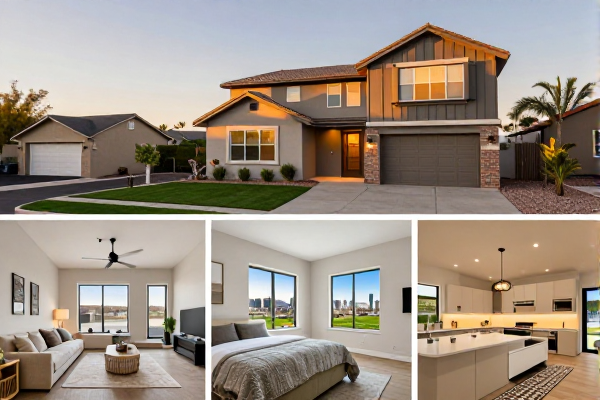
Key Features of a Mediterranean House The most recognizable feature of a Mediterranean house is its low-pitched roof covered with red, curved clay tiles. The exterior walls are typically finished with stucco, a durable plaster material that provides a smooth or textured surface, often in warm, earthy tones like tan, cream, or terracotta. Arched windows and doorways are another hallmark, adding softness and Old-World charm. Many of these homes are designed around a central courtyard or feature prominent outdoor living spaces like patios and loggias, reflecting a focus on blending indoor and outdoor environments. Inside, you might find exposed wooden ceiling beams, rustic tile or stone flooring, and ornate ironwork on fixtures like stair railings and light fixtures.
Understanding the Costs: Purchase and Maintenance The cost of a Mediterranean house varies significantly by location, size, and condition. In sought-after regions like California or Florida, prices can be considerably higher than the local median. Beyond the purchase price, maintenance is a critical financial factor. The iconic clay tile roof is long-lasting but can be fragile and expensive to repair. Stucco walls require periodic inspection and sealing to prevent moisture intrusion, which can lead to costly structural damage. Potential buyers should budget for these ongoing upkeep needs.
| Cost Factor | Estimated Range/Consideration |
|---|---|
| Purchase Price Premium | Can be 10-20% above comparable conventional homes in the same market. |
| Roof Repair/Replacement | High cost due to specialized materials and labor. |
| Stucco Maintenance | Requires periodic sealing and crack repair to prevent water damage. |
| Energy Efficiency | Older models may have lower efficiency, impacting HVAC costs. |
Pros and Cons of Owning a Mediterranean Home Based on our experience assessment, the primary advantage of a Mediterranean house is its distinctive and enduring aesthetic, which often translates into strong curb appeal and resale value in suitable markets. The design's emphasis on outdoor living is ideal for warm climates. However, the style also presents challenges. The same features that provide character, such as arched windows, can make finding standard-sized replacements difficult and costly. Furthermore, the thermal mass of stucco can be beneficial, but older homes may lack modern insulation, leading to higher heating and cooling expenses. A thorough professional home inspection is strongly recommended to identify any pre-existing issues with the roof, stucco, or foundation.
What to Look for When Buying When considering a Mediterranean house, move beyond the aesthetic appeal and conduct a pragmatic evaluation. A primary focus should be the roof; look for cracked or missing tiles and ask for documentation on its age and previous repairs. Carefully inspect the stucco exterior for hairline cracks or discolorations, which can indicate moisture problems. Check the functionality of all arched doors and windows. It is also prudent to inquire about the age of major systems, like plumbing and electrical, as renovations in these homes can be more complex and expensive than in standard construction.
In summary, a Mediterranean house offers a unique lifestyle choice with a strong architectural identity. Prospective owners should prioritize a comprehensive inspection, understand the long-term maintenance commitments, and carefully evaluate the home's energy performance. By focusing on these practical aspects, you can make an informed decision about whether this distinctive style aligns with your budget and long-term homeownership goals.