Browse

Log in / Register
 Share
Share
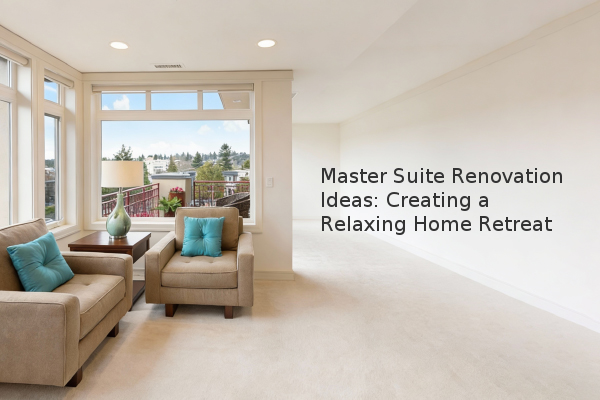
Transforming a standard master suite into a personalized retreat is a primary goal for many homeowners, a process that significantly boosts daily comfort and can enhance property value. Based on our experience assessment, key upgrades like strategic color palettes, functional built-ins, and spa-inspired bathroom features deliver the highest satisfaction. For a project similar to the one described, where a couple invested an additional $150,000, the focus should be on calming aesthetics, low-maintenance materials, and personalized convenience.
How can paint color create a calming master bedroom atmosphere? The choice of paint color is foundational to establishing a room's mood. Instead of a stark white, which can feel sterile, light, cool-toned hues like soft blues, pale greens, or gentle grays are often recommended for creating a serene environment. These pastel colors are not exclusive to children's rooms; they can instill a calming ambiance in an adult's retreat by evoking feelings of tranquility and spaciousness. The application of a light blue hue, complemented by floor-to-ceiling gray curtains, can make a master bedroom feel like a peaceful escape, a design choice that prioritizes psychological comfort.
What functional additions maximize a master suite's layout? Optimizing unused space is crucial for both functionality and flow. A common challenge is dealing with awkward nooks or uneven built-ins. A practical solution involves converting such an area into a dedicated station. For example, installing a built-in desk or a floating vanity with an elegant chair transforms a dead space into a highly functional area. This addition provides a specific place for tasks like applying makeup or handling quick work emails, eliminating the need to compete for mirror space in the bathroom. This approach enhances the room's utility without compromising its spacious feel.
What are the best low-maintenance tile choices for a bathroom? In an en suite bathroom, selecting the right tile is critical for long-term ease of maintenance. Homeowners often express concern over the difficulty of cleaning numerous grout lines associated with small-format tiles. The solution is to choose large-format tiles or even quartz slabs for shower walls and floors. These larger materials significantly reduce the number of grout lines, simplifying cleaning and minimizing areas for stains to accumulate. A large-scale gray tile, for instance, not only offers a modern, spa-like aesthetic but also represents a practical, low-maintenance choice that maintains its appearance over time.
Are heated bathroom floors a valuable upgrade? Comfort-enhancing features can elevate a bathroom from standard to luxurious. Heated floors are a premium upgrade that addresses the common discomfort of cold surfaces, particularly in climates with cold winters. This system uses electric coils or hydronic tubing beneath the flooring to provide consistent, radiant heat. Beyond the immediate comfort, heated floors can also help reduce overall humidity by drying surfaces more quickly. While involving an additional upfront cost, this feature is widely considered a worthwhile investment for daily comfort and can be an attractive selling point.
| Feature | Estimated Cost Range | Primary Benefit |
|---|---|---|
| Heated Bathroom Floors | $5 - $12 per square foot | Enhanced comfort, reduced moisture |
| Large-Format Tile Installation | $10 - $30 per square foot | Low maintenance, modern aesthetic |
| Second-Floor Laundry Relocation | $8,000 - $12,000 | Major convenience improvement |
Is relocating laundry to the second floor a practical renovation? The location of the laundry room is a major quality-of-life factor. A basement-level laundry room can become a daily inconvenience. Relocating laundry facilities to the second floor, near the bedrooms where most laundry is generated, is a highly practical renovation. Although this involves significant plumbing and electrical work, with costs typically ranging from $8,000 to $12,000, the long-term benefit is substantial. This change eliminates the burden of carrying heavy baskets up and down stairs, integrating a necessary chore more seamlessly into the home's living pattern.
Creating your dream master suite requires a focus on personal comfort and practical design. The most successful renovations balance aesthetic desires with smart, functional choices. Prioritize low-maintenance materials to ensure your retreat remains a source of relaxation, not added work. Consider investing in features that enhance daily routines, like a well-placed vanity or a conveniently located laundry area. Ultimately, a master suite should be a sanctuary tailored to your specific needs, significantly improving your enjoyment of your home.