Browse

Log in / Register
 Share

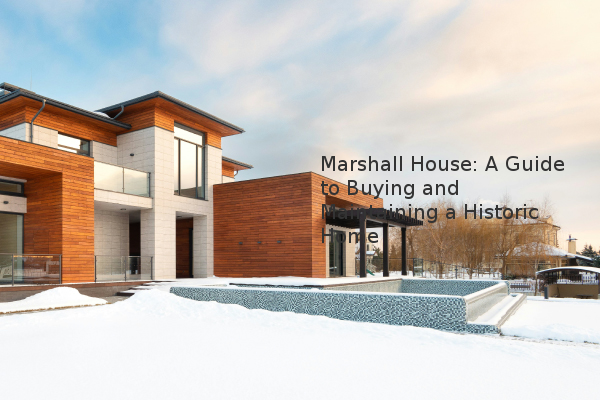
Buying the Marshall House, or any historic property, involves a unique set of considerations that blend real estate investment with heritage preservation. The core appeal is the acquisition of a home with significant architectural character and historical value, but this comes with specific maintenance responsibilities, potential financial incentives, and a different purchasing process compared to a modern property. Before making an offer, it is crucial to understand the implications of local historic designations, the importance of a specialized historic property inspection, and the availability of grants or tax credits that can offset restoration costs. This guide outlines the key steps and considerations for a prospective buyer.
What Defines a Historic Home Like the Marshall House?
A property like the Marshall House is typically designated as historic at the local, state, or national level. A common recognition is being listed on the National Register of Historic Places, a official list of districts, sites, and buildings deemed worthy of preservation. This designation, while prestigious, often comes with guidelines for exterior alterations to maintain historical integrity. It is vital to research the specific covenants attached to the property. For instance, replacing original windows or modifying the facade may require approval from a local historic preservation commission. Understanding these restrictions upfront is essential, as they can impact future renovation plans and costs.
The Critical Role of a Specialized Home Inspection
A standard home inspection is insufficient for a historic property. You must hire an inspector with specific experience in older buildings. They will assess the condition of unique structural elements, outdated systems like knob-and-tube wiring (an early method of electrical wiring), and potential issues such as foundation settling, mortar deterioration in brickwork, and lead paint or asbestos, which are common in older homes. The inspection report will provide a realistic picture of immediate and long-term maintenance needs. This assessment is a powerful tool for negotiating the final sale price, as it can reveal costly repairs that are not immediately visible.
Financial Considerations and Potential Incentives
The financial aspect of owning a historic home has two sides: higher upkeep costs and potential incentives. Maintenance often requires specialized craftspeople and authentic materials, which can be more expensive. However, there are financial benefits to explore. Many states and municipalities offer property tax abatements for a certain period following qualified restoration work. Additionally, the Federal Historic Preservation Tax Incentives program offers a 20% income tax credit for the substantial rehabilitation of historic, income-producing buildings. While this may not apply to a primary residence, it's a critical factor for commercial or rental properties. Securing a mortgage may also involve a more nuanced appraisal process to accurately reflect the property's unique value.
| Consideration | Modern Home | Historic Home (e.g., Marshall House) |
|---|---|---|
| Routine Maintenance | Standard materials and labor | Often requires specialized, period-appropriate materials and skilled labor |
| Renovation Freedom | Generally high, within zoning laws | Limited by historic preservation guidelines |
| Insurance Premiums | Standard rates | May be higher due to replacement cost of historic features |
| Potential Tax Benefits | Standard deductions | Possible eligibility for tax credits or abatements |
Navigating the Purchase and Ownership Experience
The purchase process for a historic home follows the standard steps—making an offer, home inspection, and closing—but with added layers. Your real estate agent should have experience with historic properties. Furthermore, you should emotionally prepare for a stewardship role. Owning a home like the Marshall House means you are not just a homeowner but a custodian of a piece of history. This involves a commitment to preserving its character for future generations, which can be a deeply rewarding experience but requires a clear understanding of the responsibilities involved.
In conclusion, purchasing a historic property like the Marshall House is a significant decision that extends beyond a typical real estate transaction. Prospective buyers should prioritize a specialized historic property inspection to uncover hidden costs, thoroughly research local historic preservation ordinances to understand renovation limitations, and investigate all available federal and state tax incentives to ease financial burdens. By approaching the purchase with diligence and an appreciation for preservation, you can ensure the home's legacy is maintained while making a sound investment.