Browse

Log in / Register
 Share

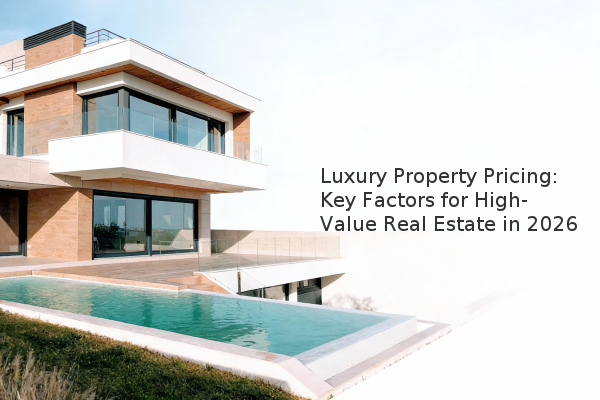
Setting a competitive price for a luxury property involves a sophisticated analysis of location, development potential, and comparable sales, rather than simply recouping initial costs. For high-net-worth individuals, understanding the key value drivers—from architectural plans to irreplaceable acreage—is critical to making informed buying or selling decisions in the 2026 real estate market. This objective analysis outlines the primary factors that influence multi-million dollar listings.
What Justifies a Multi-Million Dollar Price Increase? A significant price increase on a raw land parcel, as seen in a recent Boca Raton listing, is typically justified by added entitlements, which are legal rights granted by local government to develop the property. In this case, the inclusion of detailed architectural plans for a 31,700-square-foot estate transforms the asset from vacant land into a pre-approved, shovel-ready project. This reduces risk and carrying costs for a potential buyer, who would otherwise invest significant time and capital in the design and permitting process. The value is no longer solely in the 7.5-acre lot but in the approved vision for a grand, plantation-style residence. Based on our experience assessment, the value of such detailed plans can substantially elevate a property's market price.
How Do Development Plans Impact a Property's Appraised Value? Detailed development plans directly impact value by providing a tangible vision and mitigating construction risks. Appraisers and savvy buyers assess the quality, scale, and perceived cost of the proposed improvements. For example, a mansion designed with high-end materials like hewn stone and wood, along with unique features such as bridged entry towers and a secondary guest residence, signals a high level of craftsmanship. The following table illustrates potential value drivers based on common luxury property amenities:
| Amenity/Feature | Potential Value Impact | Rationale |
|---|---|---|
| Approved Architectural Plans | High | Reduces time, uncertainty, and soft costs for the buyer. |
| Waterfront Access | Very High | Offers稀缺性 (scarcity) and premium recreational value. |
| Substantial Acreage | High | Provides privacy and development flexibility. |
| Guest House/Cabanas | Medium | Enhances property utility for hosting and rental potential. |
What Role Does Market History Play in Luxury Pricing Strategy? A property’s sales history provides context, but current market conditions are the ultimate pricing determinant. A seller may have purchased a property for $7 million years ago, but its 2026 value is based on recent comparable sales (comps), which are prices of similar recently sold properties. If the local luxury market has appreciated, a seller can price aggressively based on this new data, even if they previously attempted to sell at a loss. A history of owning trophy properties, like a former $65 million oceanfront estate, can also generate market interest, but the final sale price will be validated by a title insurance and appraisal process that ensures the transaction price reflects true market value.
Conclusion For those evaluating high-value real estate, focus on the property's current potential and approved entitlements, not just its past sale price. A detailed understanding of local comparable sales and the cost of proposed improvements is essential. Ultimately, a property's value is determined by what a willing buyer will pay in the current market, validated by professional appraisal standards.