Browse

Log in / Register
 Share
Share
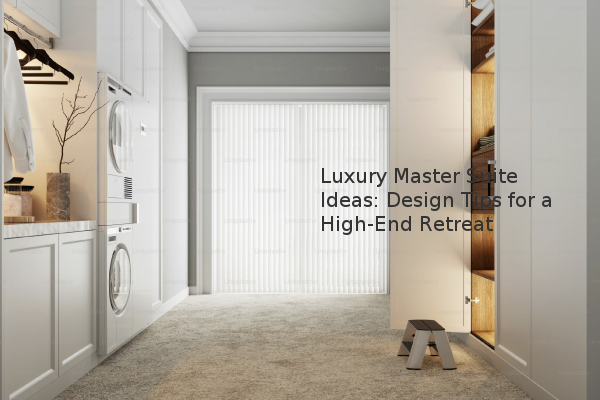
Creating a luxurious master suite is a powerful way to enhance your home's comfort and value. Based on our experience assessment, the most effective designs incorporate features inspired by high-end hotels, strategic use of materials, and clever spatial planning to create a private, palatial retreat. Focusing on flow, material selection, and multi-functional spaces can transform a standard bedroom into a sanctuary without necessarily exceeding your budget.
A hallmark of luxury hotel design is the seamless connection between spaces. One effective method is to create an open flow between the bedroom and bathroom. This can be achieved with a pass-through window or sliding doors. When open, these features make both rooms feel more spacious and establish an elegant, continuous flow. This design choice prioritizes a sense of openness and luxury, moving away from the compartmentalized feel of traditional layouts. The goal is to create an experience, making your daily routine feel more indulgent.
Conventional design advice often warns against dark colors in small spaces, but when executed with intention, they can create a rich, sophisticated atmosphere. In a walk-in closet, using deep-toned wood for cabinets, flooring, and even the ceiling can establish a moody, masculine, or dramatic feel. To prevent the space from feeling too enclosed, incorporate contrasting elements like a light-colored countertop with a waterfall edge. This adds dimension and visual interest, proving that dark palettes can feel expansive and luxurious when balanced correctly.
A master suite should be more than just a place to sleep; it should serve as a private retreat. Adding a small sitting area, such as a reading nook with built-in bookshelves and a comfortable chair, significantly enhances functionality. This dedicated space encourages relaxation and separates sleep from other activities. Furthermore, integrating hidden storage solutions, like a compartment behind the bookshelf, adds a unique, custom element while maintaining a clean aesthetic. This multi-functional approach maximizes the utility and enjoyment of your private space.
Architectural elements are crucial for adding character and grandeur. Features like faux wood beams on the ceiling can dramatically alter the room's perception. Installing these beams slightly lower than the ceiling height, rather than flush, creates a more intimate and grand scale. This technique draws the eye upward and makes the space feel intentionally designed and structurally interesting. Such details require careful planning but offer a significant return in terms of aesthetic impact and the overall luxurious feel of the suite.
A successful luxury renovation hinges on smart budget management. It is advisable to set a clear budget with a contingency for unexpected costs. For example, a major suite renovation might have a budget in the range of $285,000 to $310,000. Choosing alternative materials is a key strategy for staying on track; opting for sintered stone instead of natural marble for countertops can offer a similar high-end look at a lower cost. Always vet contractors thoroughly to avoid mid-project issues that can lead to delays and additional expenses.
To implement these ideas, start by planning the layout to improve flow, then select a cohesive color palette and materials, and finally, incorporate architectural details and multi-functional spaces to create a truly custom master suite.