Browse

Log in / Register
 Share
Share

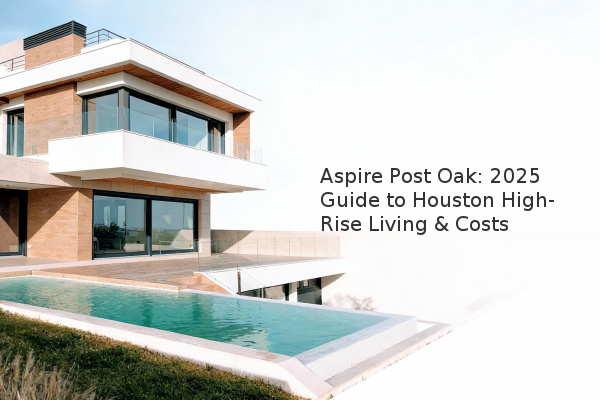
For homebuyers seeking a premium outdoor living experience, a resort-style pool is a significant value-add, often increasing a property's appeal and market value. Based on our experience assessment, luxury pools with features like waterslides, infinity edges, and custom stonework are not just amenities but major investments that can enhance lifestyle and justify premium price points, especially in warm-weather states.
How does a luxury pool impact a property's value? A well-designed, high-end pool complex is considered a permanent improvement that can substantially increase a property's appraisal value. Unlike a basic swimming pool, resort-style amenities create an outdoor entertainment area that functions as an extension of the home's living space. Appraisers often evaluate pools based on their size, unique features, and the quality of construction. For example, a property in El Campo, Texas, highlights a "largest residential pool" with a lazy river and multiple waterfalls, features that contribute to its $5,000,000 listing price by offering a unique, park-like experience not easily replicated. The key is that the pool's design must be harmonious with the home's overall aesthetic and the local climate to ensure the value is sustained.
What are the must-have features in a luxury pool today? The current trend in high-end pools moves beyond simple swimming to create a multi-functional resort environment. Essential features often include:
| Pool Feature | Common in Climates Like | Estimated Value Add (Varies by Market) |
|---|---|---|
| Custom Waterslide | Warm, sunny states (AZ, CA, TX, HI) | Significant appeal for families |
| Infinity Edge | Properties with views (ocean, mountain) | High perceived value |
| Saltwater System | All regions, for lower maintenance | Moderate functional value |
| Integrated Spa | All regions | High, for year-round use |
What should a buyer consider regarding maintenance and costs? Owning a luxury pool involves ongoing operational costs that must be factored into the homeownership budget. These costs include regular chemical balancing, filtration system maintenance, cleaning, and potential repairs for complex features like waterfalls or slides. Property tax assessments may also be higher for homes with significant improvements like a large pool complex. It is advisable to request maintenance records and recent utility bills from the seller to understand the annual financial commitment. For instance, a 50,000-gallon pool in Paradise Valley, Arizona, will have different water evaporation and chemical usage costs compared to a smaller pool in a more temperate climate.
Are there regional considerations for a pool's value? Absolutely. The return on investment for a luxury pool is highly dependent on location. In states with long, warm seasons like California, Hawaii, Arizona, and Texas, a pool is often seen as a near-necessity in the luxury market and can be a strong selling point. However, in regions with shorter summers, such as Ohio, the value may be more subjective. The Georgian estate in Gates Mills, Ohio, uses a "hidden tubular water slide" to create a unique, secluded retreat, maximizing the utility of the warmer months. In these markets, features like heated pools or enclosed structures become more critical to extend the swimming season.
Conclusion A resort-style pool can transform a property into a private oasis, but its value is determined by craftsmanship, features, and location. Prospective buyers should prioritize a professional inspection of the pool complex, just as they would the home's structure. Focus on how the pool's design complements your lifestyle—whether for entertainment, exercise, or relaxation. Ultimately, the right luxury pool is an investment in enhanced living, but its financial return is best verified through a comparative market analysis with a local real estate expert.