Browse

Log in / Register
 Share
Share
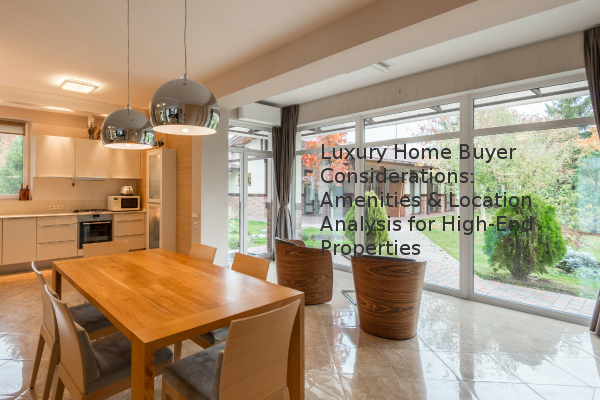
When purchasing a high-end luxury property, the decision extends far beyond square footage, focusing on specialized amenities, privacy, and long-term investment potential. Based on our experience assessment, key considerations include the functionality of extravagant features, the security and exclusivity of the location, and the property's alignment with your lifestyle. For example, a sprawling estate might feature a resort-style pool, a dedicated entertainment pavilion, and extensive equestrian facilities, but the ongoing maintenance and utility costs for these amenities are significant factors. This analysis outlines the primary considerations for buyers in the luxury real estate market.
A modern luxury megamansion is characterized by its scale, bespoke amenities, and prime location. Beyond simply having multiple bedrooms and bathrooms, these properties offer customized spaces designed for entertainment, wellness, and leisure. You might find features like a 7,200-square-foot spa complex, a 150-person nightclub with a separate entrance, or a professional-grade racquetball court. The initial purchase price is only one part of the financial picture; property taxes, insurance premiums, and upkeep for such specialized facilities require substantial long-term financial planning. The location is equally critical, often situated in gated communities or on large parcels of land to ensure privacy, which is a top priority for many high-net-worth individuals.
The old adage of "location, location, location" is amplified in the luxury sector. Proximity to desirable areas, whether for social reasons or access to certain amenities, can significantly influence a property's value and appeal. A home in a prestigious neighborhood or adjacent to other high-profile residences often carries a premium. However, proximity should be balanced with privacy and security. Gated entries, long driveways, and strategic landscaping are common features that mitigate the potential downsides of a high-profile location. The value of a location is also determined by its zoning laws, future development plans in the area, and the stability of the local real estate market.
While not all luxury amenities directly increase a property's resale value proportionally to their cost, they are crucial for enjoying the property. Amenities that offer broad appeal and functional use tend to hold their value better. For instance, a chef's kitchen with a walk-through pantry, a home theater, and a resort-style pool are generally considered desirable. More niche amenities, like a large barn for horses or a commercial-grade nightclub, cater to specific lifestyles and may not appeal to every buyer. The key is to assess which amenities align with your personal use and which might be seen as valuable by a future buyer, thus protecting your investment.
The financial commitment to a luxury property extends well beyond the closing costs. Prospective owners must account for annual property taxes, which can be substantial on a multi-million dollar estate, alongside insurance, security, and maintenance costs. specialized features like a spa, multiple pools, or a tennis court require regular, expensive upkeep. It is advisable to work with a financial advisor to create a comprehensive budget that includes these recurring expenses. Additionally, understanding the local property transfer tax laws is essential, as these can represent a significant one-time cost at the time of purchase.
In summary, purchasing a luxury home requires a meticulous evaluation of how the property's amenities complement your lifestyle and its potential as a long-term asset. The most successful acquisitions balance extravagant features with practical considerations for privacy, maintenance, and financial sustainability. Focusing on these elements ensures that your investment is not only a beautiful living space but also a sound financial decision.