Browse

Log in / Register
 Share

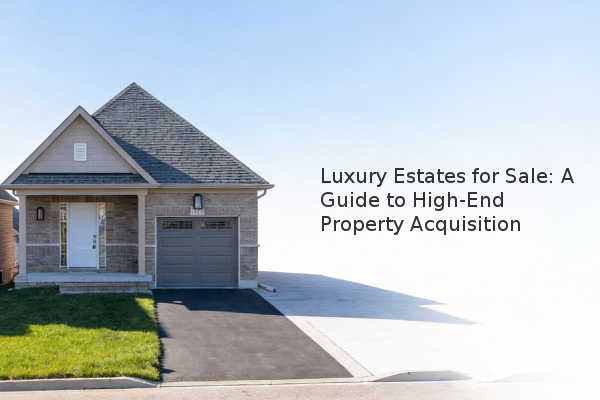
Navigating the market for luxury estates for sale requires a distinct strategy focused on unique property features, meticulous due diligence, and an understanding of high-value transaction nuances. The core difference lies in evaluating appreciation potential and lifestyle value over basic square footage, with factors like architectural significance, privacy, and location prestige weighing heavily. This guide provides a factual overview of the acquisition process for these prestigious properties.
The definition of a luxury estate extends beyond a high price tag. Key characteristics often include exceptional quality of construction, unique architectural design, premium amenities, and a location within a prestigious community or offering unparalleled privacy. Smart home integration and sustainable, high-end finishes are now standard expectations. It is crucial to assess a property's value based on these qualitative factors, as they significantly influence long-term value retention. The market for these homes is less influenced by broader economic fluctuations and more by the inventory of truly exceptional properties.
Purchasing a luxury estate necessitates a more rigorous due diligence process than a typical residential transaction. This involves specialized inspections for complex systems like wine cellars, home theaters, or expansive grounds. A thorough title search is imperative to uncover any potential liens or legal complexities associated with a high-value asset. For properties with unique features like historical designations or significant land, engaging experts in those specific fields is recommended. This meticulous approach helps mitigate unforeseen issues and ensures a sound investment.
| Due Diligence Consideration | Standard Home | Luxury Estate |
|---|---|---|
| Property Inspection | General home inspection | Specialized inspections for unique amenities (pools, security systems) |
| Title Review | Standard title insurance | Enhanced title review for complex ownership history |
| Appraisal | Comparative market analysis | Appraisal by an expert familiar with high-value properties |
| Tax Assessment | Review of standard property tax | Analysis of potential tax strategies for significant assets |
Financing for luxury estates, often referred to as jumbo loans, operates under different criteria than conventional mortgages. Lenders typically require more substantial assets and reserves, a higher credit score, and a larger down payment, sometimes exceeding 20-30%. The underwriting process is more detailed, scrutinizing income sources and overall financial health. Based on our experience assessment, all-cash purchases are more common in this segment, which can sometimes create a competitive advantage for buyers in a multiple-offer situation.
A real estate agent specializing in luxury properties provides invaluable market insight and access to off-market listings, often known as the "pocket listing" market. Their network includes connections with other top agents and affluent sellers. They are skilled in discreet and complex negotiations, understanding the nuances of dealing with high-net-worth individuals. Their expertise is not just in finding a property but in guiding the entire process with a focus on confidentiality and achieving specific lifestyle and investment goals.
Engaging a specialist agent, conducting exhaustive due diligence, and understanding the financing landscape are critical for a successful acquisition. The luxury market demands a focus on unique value propositions and long-term investment quality, making informed decision-making paramount.