Browse

Log in / Register
 Share

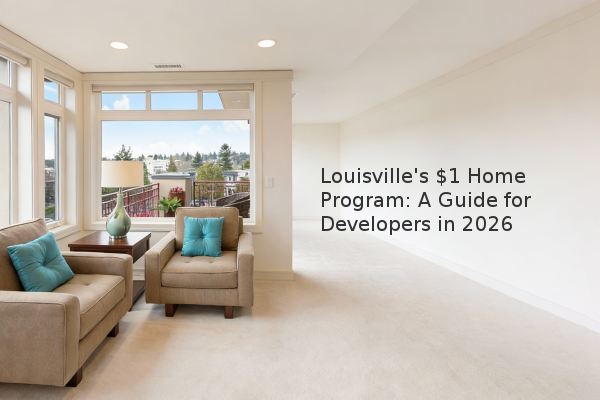
Louisville, Kentucky's innovative $1 home program, administered by its Landbank Authority, represents a significant opportunity for developers to acquire properties while revitalizing neighborhoods. The core objective is to return vacant and abandoned structures to productive use, thereby increasing property values and strengthening the local tax base. Success in this program, however, hinges not on the minimal purchase price but on a developer's proven financial capability and a detailed rehabilitation plan. Priority is given to applicants who live nearby, intend to occupy the home, or commit to offering it as an affordable rental or sale.
How Does Louisville's Landbank Authority $1 Home Program Work? The Landbank Authority acquires, manages, and sells distressed properties to approved developers. A property is typically classified as vacant or abandoned if a code enforcement officer has confirmed it has been unoccupied for at least one year or if it has been referred to the city for action like boarding or demolition. The key advantage for buyers is that the Authority consolidates property tax liens and other encumbrances with the title, clearing these hurdles before transfer. This process is designed to stimulate investment in blighted communities by making the renovation path clearer for developers.
Who is Eligible to Apply for a $1 Home in Louisville? The city actively encourages a wide range of developers to apply. This includes:
What are the Financial Considerations Beyond the $1 Price Tag? The initial cost is symbolic; the real investment is in the renovation. As stated by city officials, the final value will be determined by the amenities and features incorporated into the property. To assist with these costs, the city offers resources like the Small Developer Loan Pool, which provides partially forgivable loans specifically for these rehabilitation projects. Based on our experience assessment, developers should secure financing and create a detailed budget that accounts for construction, materials, permits, and potential contingencies before applying.
What Practical Steps Should a Developer Take? Prospective buyers should start by attending Landbank Authority open houses to inspect available properties firsthand. The application process requires a clear and viable plan. Critical steps include securing pre-approval for financing, obtaining credible contractor estimates, and understanding local zoning laws. The city's priority system favors proposals that demonstrate a long-term commitment to community improvement, such as plans for owner-occupancy or affordable housing.
Conclusion Louisville's $1 home program is a strategic initiative for community development. For developers, it offers a unique entry point into the real estate market, but it demands serious financial and project management preparedness. The most successful applications will be those that present a solid financial foundation, a realistic renovation timeline, and an alignment with the city's goal of neighborhood revitalization.