Browse

Log in / Register
 Share


Understanding Los Angeles zip codes is fundamental to navigating its complex real estate market. In 2026, the median home value disparity between the most and least expensive zip codes can exceed $3 million, making geographic location the single most critical factor in your home buying or investment decision. This guide provides a data-driven analysis of how zip codes influence property values, neighborhood character, and market trends across LA.
What Makes a Los Angeles Zip Code Valuable?
Several key factors converge to determine the real estate premium of a specific zip code. Beyond the obvious allure of beachfront or hillside locations, elements like school district rankings, crime rates, and proximity to major employment hubs (such as Silicon Beach or Downtown LA) are primary drivers. For instance, a top-rated school district can add a significant premium to home values, independent of the home's specific attributes. Furthermore, the median sale price—the middle point of all home sale prices in an area—provides a more accurate picture of a market than average prices, which can be skewed by extremely high or low sales. Access to public transportation, especially the expanding Metro system, and walkability scores are increasingly important to buyers in 2026.
A Snapshot of LA Zip Code Real Estate in 2026
The following table illustrates the dramatic range in the Los Angeles housing market, based on recent aggregated sales data. These figures represent single-family homes and are subject to change.
| Zip Code | Area / Neighborhood | Approx. Median Sale Price (Q1 2026) | Key Market Notes |
|---|---|---|---|
| 90210 | Beverly Hills | $5,800,000 | Stable, high-demand market for luxury properties. |
| 90402 | Santa Monica (North of Montana) | $4,200,000 | Competitive market with high walkability and top schools. |
| 90049 | Brentwood | $3,100,000 | Strong demand from professionals; mix of classic and modern homes. |
| 90026 | Echo Park | $1,050,000 | Appreciating market popular with creatives; competitive starter homes. |
| 90011 | Central LA (South of Downtown) | $550,000 | More affordable entry point; primarily a market for investors and first-time buyers. |
Using Zip Codes for Your Home Search Strategy
When beginning your search, use zip codes to filter listings on real estate platforms effectively. However, it's crucial to remember that zip codes can encompass multiple micro-neighborhoods with distinct personalities. A zip code might include both a highly sought-after historic district and a less desirable area adjacent to industrial zones. Therefore, physical neighborhood exploration is non-negotiable. Visit at different times of the day and week to assess traffic, noise, and overall community vibe. Always research development plans; a new commercial center or transit line approved for 2027 can signal future growth and appreciation.
Beyond the Price Tag: Property Taxes and Insurance
The financial implications of your chosen zip code extend beyond the purchase price. Your annual property tax bill is calculated as a percentage of the purchase price (based on California's Proposition 13) and will be higher in more expensive zip codes. Additionally, homeowners insurance premiums can vary dramatically. Zip codes in areas with higher wildfire risk (e.g., certain canyon communities) or higher crime rates will typically have substantially higher insurance costs, which must be factored into your long-term budget.
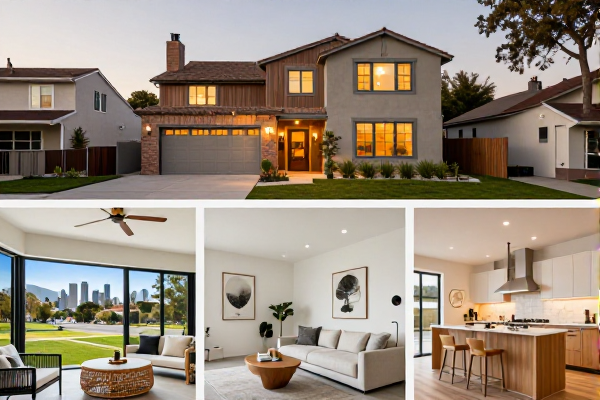
The key takeaway is that a Los Angeles zip code is more than a mailing address; it is a powerful indicator of cost, lifestyle, and investment potential. Before committing, cross-reference online data with in-person visits, understand the full scope of ongoing costs like taxes and insurance, and consider future development projects that may impact the area's value. This comprehensive approach ensures your decision is informed not just by current trends, but by long-term viability.