Browse

Log in / Register
 Share

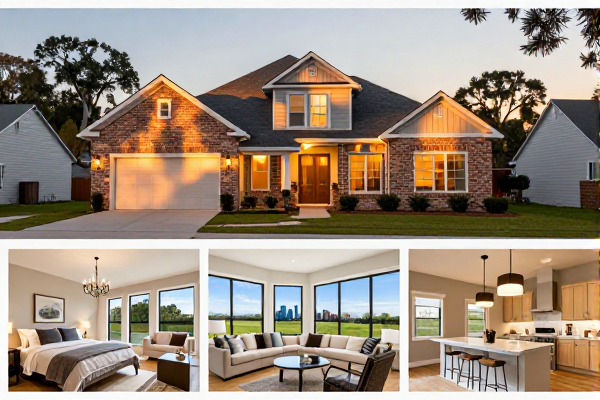
For homebuyers considering Seminole County, the core question is straightforward: Longwood, Florida, remains a relatively affordable option compared to nearby Orlando, with a median sale price hovering around $450,000 as of early 2026. This central Florida city offers a blend of suburban tranquility and accessibility, but understanding the current market dynamics is key. This analysis provides an objective look at Longwood's housing affordability, breaking down price trends, property types, and the factors influencing your investment.
The Longwood market is characterized by steady demand, driven by its highly-rated schools and proximity to major employment hubs. The median sale price—the point at which half of the homes sell for more and half for less—has seen a slight appreciation over the past year. Inventory levels, meaning the number of homes available for sale, have increased modestly, providing buyers with more options than in previous years. This shift towards a more balanced market can slightly moderate the pace of price growth. Based on our experience assessment, properties in desirable neighborhoods like The Springs or those within the Lake Brantley High School district often command premiums due to consistent buyer interest.
| Property Type | Median Sale Price (Early 2026) | Key Characteristic |
|---|---|---|
| Single-Family Home | ~$475,000 | Typically includes larger lots, 3-4 bedrooms. |
| Townhouse/Condo | ~$325,000 | A more affordable entry point into the market. |
| Historic Home | Varies Significantly | Properties in the Longwood Historic District require specific considerations. |
When evaluating affordability, context is crucial. Longwood's housing costs are generally lower than those in Winter Park or Maitland but may be higher than those in more distant suburbs like Sanford. The primary advantage is the value derived from Seminole County's resources without the premium of an Orlando address. For a comparable single-family home, buyers might save 10-15% by choosing Longwood over certain Orange County suburbs. This calculation should also factor in property tax rates, which are ad valorem taxes based on the assessed value of the property, and can vary between counties.
Several concrete factors directly impact property values in Longwood. The quality of local schools is a significant driver, with A-rated districts consistently boosting home values. Another critical element is title insurance, a form of indemnity insurance that protects against financial loss from defects in a property's title. While a standard cost of ownership, its necessity underscores the importance of a clear property history. Furthermore, commute times to major employment centers like Orlando, Lake Mary, and Maitland heavily influence desirability. Homes with easier access to I-4 and the 429 Expressway often see a positive effect on their market value.
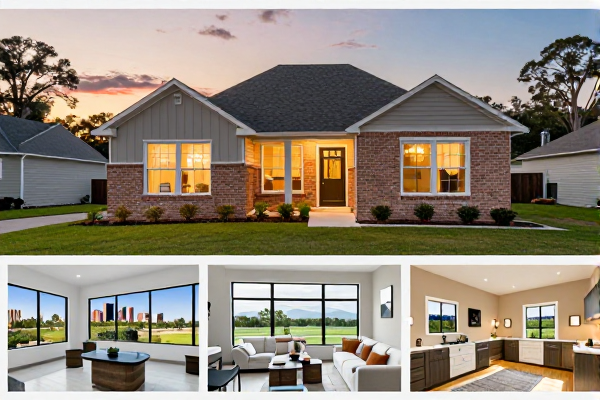
Affordability extends beyond the initial sale price. Buyers must budget for ongoing costs, including homeowners association (HOA) fees, which are common in many Longwood communities and cover shared amenities and maintenance. Insurance costs, particularly for windstorm coverage in Florida, are a necessary and impactful part of the annual housing budget. Additionally, understanding the potential for appreciation—the increase in a property's value over time—is part of a long-term affordability assessment. Longwood's established community and infrastructure suggest a stable outlook for property values.
In summary, Longwood presents a viable and relatively affordable option within the Greater Orlando corridor. The key to a sound decision is a comprehensive analysis that weighs the median sale price against property taxes, insurance, HOA fees, and the intrinsic value of the location. Prospective buyers are advised to secure a comparative market analysis specific to their desired property type to make a fully informed choice.