Browse

Log in / Register
 Share
Share
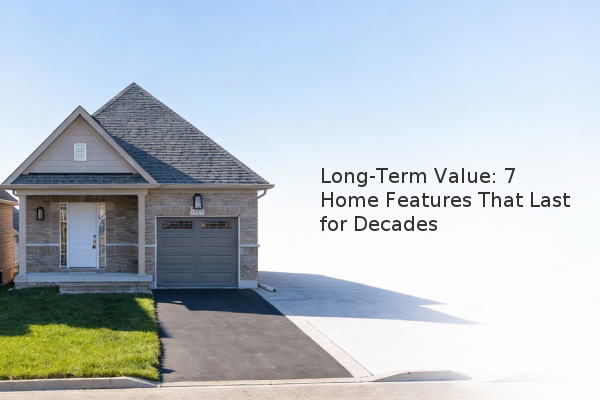
Investing in a home with features that stand the test of time is one of the most effective strategies for protecting your investment. Based on our experience assessment, properties equipped with durable materials and timeless designs not only require less maintenance but also retain their market value more effectively over decades. This article outlines the key home components known for their longevity, helping you make informed decisions whether you are buying a new construction or maintaining an existing property.
What structural elements offer the longest lifespan? A home's structural integrity is paramount. Properly maintained concrete foundations and brick or stone exteriors can last for the lifetime of the home, often exceeding 100 years. These materials are resistant to fire, pests, and severe weather, providing a stable skeleton for the property. The foundation, in particular, is critical; any issues here can lead to costly repairs. When purchasing a home, a professional inspection that includes a foundation assessment is non-negotiable. For existing homeowners, ensuring proper drainage away from the foundation is the single most important maintenance task to prevent settling and cracks.
Which roofing materials provide decades of protection? The roof is your home's first line of defense against the elements. While standard asphalt shingles may need replacement every 15-25 years, investing in premium materials can significantly extend that timeline. Metal roofs and slate or clay tiles have life expectancies of 40 to 100 years, respectively. Although the initial cost is higher, the long-term savings on replacements and repairs can be substantial. These materials are also highly energy-efficient, reflecting solar heat and potentially reducing cooling costs. When evaluating a roof, consider the local climate; for instance, metal roofing excels in areas prone to wildfires or heavy snow.
How do classic hardwood floors compare to modern alternatives? Flooring endures daily wear and tear, making durability a top priority. Solid hardwood floors are a quintessential long-term feature, capable of lasting 100 years or more with proper care and periodic refinishing. Their ability to be sanded and refinished multiple times allows them to adapt to changing styles and repair damage. In contrast, modern engineered wood or high-quality luxury vinyl plank (LVP) can offer excellent durability for 20-50 years, often with better resistance to moisture. However, they cannot be refinished as many times as solid wood. The choice often comes down to budget and desired aesthetic, but solid hardwood consistently offers the best return on investment over the life of a home.
What plumbing and electrical systems ensure long-term reliability? Behind the walls, the quality of a home's systems is crucial. For plumbing, copper pipes are the gold standard, with a typical lifespan of 50+ years, while PEX piping, a flexible plastic alternative, is also highly durable and resistant to freezing. For electrical systems, a modern 200-amp service panel is essential for supporting contemporary energy demands. Homes with updated, copper-wired electrical systems avoid the safety hazards and limitations of older knob-and-tube or aluminum wiring. When buying an older home, budgeting for potential system upgrades should be a key part of your financial planning.
Are timeless kitchen and bathroom designs a wise investment? While trends come and go, certain design choices have enduring appeal. In kitchens and bathrooms, quality cabinets constructed from solid wood or plywood boxes with durable finishes will last 30-50 years, far outlasting particleboard alternatives. Similarly, natural stone countertops like granite or quartzite offer both durability and a classic look that resists looking dated. Focusing on high-quality materials and neutral, functional layouts provides the best long-term value, avoiding the need for costly renovations every decade. A well-designed, timeless kitchen is consistently a top selling point for potential buyers.
Do energy-efficient windows and insulation pay off in the long run? Modern, energy-efficient upgrades are investments that pay dividends over time. High-quality vinyl or fiberglass windows with double or triple-pane glass can last 20-40 years while significantly reducing heating and cooling costs. Proper insulation, particularly in the attic, has a similar long-term impact on energy bills and home comfort. Although the upfront cost can be substantial, these improvements enhance daily living comfort and are attractive to energy-conscious buyers, directly contributing to the home's resale value.
How does landscaping contribute to lasting property value? Mature, well-planned landscaping is a long-term asset that appreciates over time. Native trees and perennial shrubs can live for decades, enhancing curb appeal and providing environmental benefits like shade and erosion control. A healthy, mature tree is a significant value-add that cannot be quickly replicated. Investing in an irrigation system and choosing plants suited to your local climate ensures the landscape remains an asset with minimal maintenance, rather than a liability.
When making a purchase, prioritize components with proven longevity. A home is a long-term investment, and selecting one with durable structural elements, classic design features, and updated systems is the most reliable path to preserving its value. Always invest in a thorough professional home inspection to verify the condition of these key features before finalizing any transaction.