Browse

Log in / Register
 Share

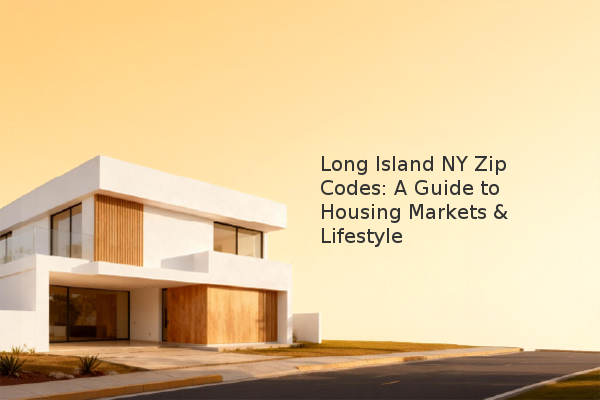
Understanding Long Island's zip codes is essential for navigating its diverse real estate markets, from vibrant suburban towns to secluded coastal communities. This analysis provides a data-driven overview of key areas, focusing on recent market trends and lifestyle attributes to inform your search. The core takeaway is that Long Island's real estate landscape is highly fragmented, with significant price and lifestyle variations often concentrated within specific zip codes.
How Do Long Island Zip Codes Correlate with Housing Prices?
Real estate prices on Long Island are directly influenced by zip code, which serves as a proxy for school district quality, proximity to transportation, and community amenities. For instance, the North Shore, often referred to as the "Gold Coast," typically features higher median prices compared to the South Shore. The following table illustrates the approximate median home sale price ranges for a selection of representative zip codes, based on aggregated market data from the past year. It is important to note that Property Tax, an annual tax levied by local governments based on a home's assessed value, can vary dramatically between these areas and significantly impact the overall cost of ownership.
| Zip Code | Area (Example) | Approximate Median Home Price Range | Primary Market Character |
|---|---|---|---|
| 11030 | Manhasset | $1.2M - $2.5M+ | High-End Suburban |
| 11576 | Roslyn | $900,000 - $1.8M | Established Affluent |
| 11797 | Woodbury | $1.1M - $2M | Suburban/Executive |
| 11937 | East Hampton | $1.5M - $5M+ | Luxury Seasonal/Year-Round |
| 11722 | Brookhaven | $450,000 - $700,000 | Middle-Market/Suburban |
| 11772 | Port Jefferson Station | $500,000 - $800,000 | Mixed-Use/Water-Adjacent |
What Should You Consider When Choosing a Zip Code?
Selecting a zip code goes beyond budget. Key considerations include the School District, which is a primary driver of property values in many suburban areas. Prospective buyers should review state ratings and standardized test scores. Commute time to New York City via the Long Island Rail Road (LIRR) is another critical factor; towns with express train service command a premium. Lifestyle preferences are equally important—whether you seek a walkable village center, immediate beach access, or a quiet, family-oriented neighborhood with parks. Each zip code offers a distinct blend of these attributes.
What Are the Current Market Dynamics in Key Long Island Areas?
Based on our experience assessment, the Long Island market as of early 2025 continues to favor sellers in the most sought-after zip codes, with low inventory leading to competitive bidding situations. However, the pace varies. Markets in premium North Shore and Hamptons zip codes remain robust, while areas in central Suffolk County may see more balanced conditions. A Title Insurance policy, which protects homeowners and lenders from financial loss due to defects in a property's title, is a standard and non-negotiable part of the purchasing process across all zip codes.
Key Takeaways for Your Long Island Home Search. Focusing your search by zip code is the most efficient strategy. Thoroughly research property taxes and school districts, as these are the most significant long-term financial and lifestyle factors. Visit communities at different times of the day and week to gauge traffic and ambiance. Finally, secure financing pre-approval to be competitive in fast-moving markets. Understanding the nuances of each zip code is the key to finding the right fit on Long Island.