Browse

Log in / Register
 Share
Share

Loft apartments, characterized by their open layouts, high ceilings, and large windows, represent a unique and sought-after segment of the urban housing market in 2026. For buyers and renters drawn to industrial-chic aesthetics and flexible living spaces, understanding the distinct features, current market costs, and potential drawbacks is essential for making an informed decision. This guide provides a comprehensive, objective overview based on current market trends.
A loft apartment is typically a large, adaptable open space, often created from a converted commercial or industrial building. The key defining features include an open floor plan with minimal interior walls, high ceilings (often exposing original structural elements like beams and ductwork), and large, industrial-style windows. The term "hard loft" refers to a unit in a building that was originally non-residential, such as a warehouse or factory, and has been converted to residential use. This is in contrast to a "soft loft," which is a new-construction apartment designed to mimic the aesthetic of a hard loft. The appeal lies in the spatial volume and the potential for customization, allowing residents to define their own living areas within the expansive square footage.
The cost of a loft apartment varies significantly by city, neighborhood, and whether it's a hard or soft loft. As of 2026, loft apartments generally command a premium over traditional apartments due to their unique characteristics and limited supply. In major metropolitan areas like New York City or San Francisco, purchase prices can easily exceed $1,000 per square foot. In burgeoning cities with rich industrial histories, such as Chicago or Philadelphia, prices are more moderate but still above the local average.
The table below provides a general overview of 2026 rental and purchase price ranges in different city tiers:
| City Tier | Average Monthly Rent (1-Bedroom Equivalent) | Average Purchase Price (per sq. ft.) |
|---|---|---|
| Premium (e.g., NYC, SF) | $4,500 - $8,000+ | $1,200 - $2,000+ |
| Major Metropolitan (e.g., Chicago, Boston) | $2,800 - $4,500 | $700 - $1,200 |
| Revitalized Urban (e.g., Detroit, Pittsburgh) | $1,600 - $2,800 | $400 - $700 |
Note: Prices are estimates and can fluctuate based on specific building amenities, exact location, and unit condition.
Choosing a loft apartment involves weighing distinct advantages against potential challenges.
The primary advantages include:
The potential drawbacks to consider are:
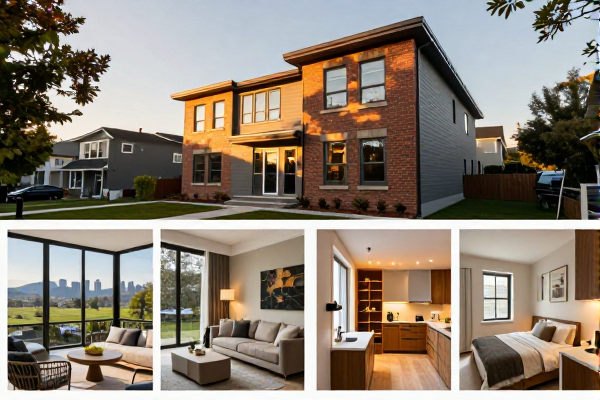
When searching for a loft apartment, it's crucial to work with a real estate agent experienced in these unique properties. Key evaluation points include:
Ultimately, loft apartment living offers a distinctive urban experience that prioritizes space and style over conventional room divisions. By carefully assessing the costs, architectural features, and practical implications, you can determine if this unique housing option aligns with your lifestyle and budget in 2026. Focus on the building's conversion quality, plan for utility costs, and embrace the creative freedom the space provides.