Browse

Log in / Register
 Share
Share
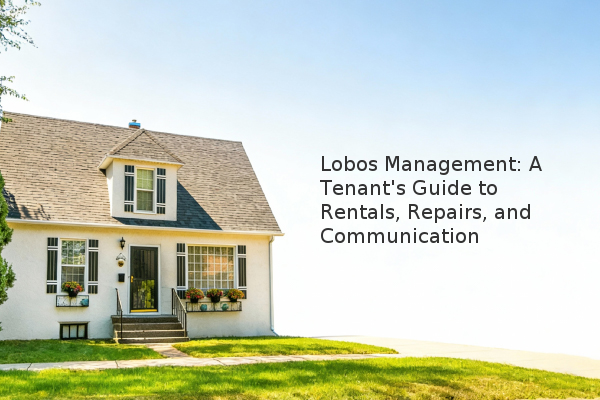
Navigating a rental experience with a property management company like Lobos Management requires understanding your rights and responsibilities as a tenant. This guide provides an objective overview of what tenants can generally expect, focusing on practical aspects such as the application process, lease agreements, maintenance protocols, and effective communication strategies. Effective communication and a clear understanding of your lease are the most critical factors for a positive rental experience. By focusing on these areas, tenants can better manage their relationship with their property management provider.
A property management company is a firm hired by property owners to oversee the daily operations of rental units. Their responsibilities typically include marketing vacant properties, screening tenants, collecting rent, handling maintenance requests, and ensuring compliance with local housing laws. For tenants, the management company serves as the primary point of contact for all issues related to the property, rather than the individual owner.
What should you expect when applying for a rental managed by Lobos Management? The process usually begins with a standardized application. You will likely need to provide proof of income, previous rental history, and consent to a credit and background check. There is typically an application fee to cover the cost of these screenings. Once approved, the lease agreement is the most important document. It is essential to read it thoroughly before signing. Pay close attention to clauses regarding rent due dates, late fees, security deposit terms, maintenance responsibilities, and the policy on lease renewal or termination.
How are maintenance issues typically addressed? Most professional management companies have a system for submitting repair requests, often through an online tenant portal or a dedicated phone line. Upon receiving a request, the company will assess the urgency. Emergencies, such as gas leaks, major water leaks, or no heat in winter, are usually prioritized for immediate response. For non-emergency requests, there may be a standard timeframe for a technician to be dispatched. It is advisable to submit all requests in writing to maintain a clear record of communication and follow up politely if the issue is not addressed within a reasonable period.
Clear and professional communication can prevent many common tenant-management issues. When contacting the management office, have your property address and lease information readily available. For non-urgent matters, email is often the best method as it provides a written trail. If a phone call occurs, following up with a brief email summarizing the conversation can be helpful. For example, "Per our call today, I just want to confirm that a plumber is scheduled for Thursday to address the leaking kitchen faucet." This practice ensures both parties have the same understanding.
Tenant rights are primarily governed by state and local laws, which vary significantly. However, general principles include the right to a habitable living environment and the right to certain privacy protections. Your responsibilities include paying rent on time, keeping the unit clean and undamaged, and not disturbing neighbors. Based on our experience assessment, familiarizing yourself with your local Tenant-Landlord Laws is one of the most proactive steps you can take. These laws outline the legal obligations of both tenants and management, providing a framework for resolving disputes.
In summary, a successful tenancy hinges on three key actions: thoroughly reviewing your lease agreement, maintaining clear and documented communication with the management company, and understanding your local tenant rights. By taking these steps, you can foster a more predictable and positive rental experience.