Browse

Log in / Register
 Share
Share
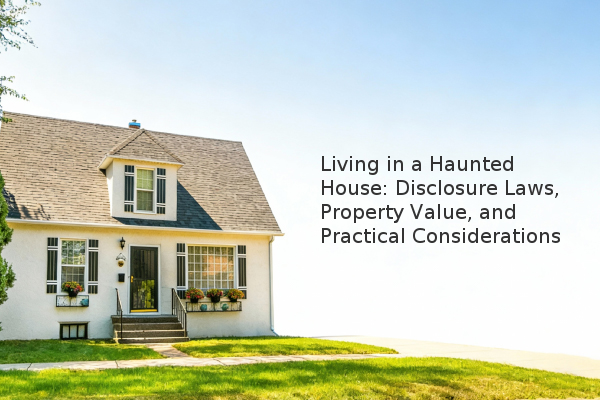
For prospective home buyers, discovering a property is believed to be haunted presents a unique set of practical and legal considerations. Based on our experience assessment, the core issue revolves around stigmatized property disclosure laws, which vary significantly by state. In most jurisdictions, sellers are not legally obligated to disclose alleged paranormal activity. However, this can impact property value and raise questions about peaceful enjoyment. This guide outlines the key factors to weigh if you encounter a home with a reputation for being haunted.
From a legal standpoint, a haunted house is typically classified as a psychologically stigmatized property. This term refers to a property where an event, such as a death or alleged paranormal activity, has occurred that does not physically impact the structure but may affect its desirability. Title insurance—a policy that protects against ownership claims based on past events—does not cover psychological stigmas.
The obligation to disclose such information depends entirely on state law. As of 2026, most states, including New York following the precedent set by the famous "Ghostbusters" ruling (Stambovsky v. Ackley), do not require a seller to volunteer information about hauntings. However, if a buyer directly asks, "Has this house ever been reputed to be haunted?" sellers in many states are legally required to answer truthfully. Failure to do so could be considered fraudulent misrepresentation. It is crucial to understand your state's specific statutes, as some, like Massachusetts, have stricter disclosure requirements.
The impact on property value is often the most significant practical concern. A reputation for being haunted can potentially lower the market value or extend the time a property sits on the market, known as the days on market (DOM) metric. Some buyers will be immediately deterred, reducing the pool of potential purchasers.
Conversely, a niche market exists. Some buyers may be intrigued by the history or even see it as a unique selling point, particularly for a bed-and-breakfast or event venue. The final effect on value is highly subjective and depends on local market conditions and the intensity of the stigma. A professional real estate appraisal will focus on the home's physical attributes and comparable sales, not paranormal claims, meaning the official appraised value may not reflect the market's psychological reaction.
If you are considering a purchase and have concerns, the best approach is proactive and direct.
Ultimately, the decision to live in a haunted house is a personal one that balances legal rights, financial implications, and individual comfort. While a ghost may not affect the foundation, it can certainly influence your peace of mind. The most critical step is to understand your state's disclosure laws and ask the right questions during the due diligence period of a real estate transaction.