Browse

Log in / Register
 Share
Share
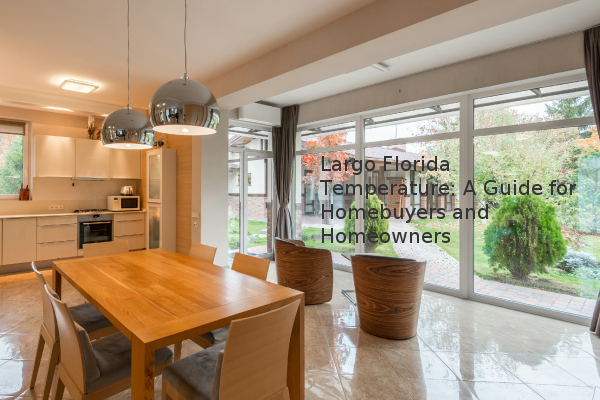
Understanding the Largo Florida temperature profile is a critical step for anyone considering buying a home or relocating to this Gulf Coast city. The area's humid subtropical climate offers warm, sunny weather for much of the year, but it also presents specific considerations for property maintenance, energy costs, and lifestyle. This analysis provides an objective overview of Largo's climate data and its direct implications for residential real estate, helping you make an informed decision based on predictable seasonal patterns.
Largo experiences distinct seasons, though winters are mild compared to most of the United States. Based on recent meteorological data, average high temperatures range from the low 70s Fahrenheit (°F) in January to the low 90s °F in July and August. The key characteristic is the humidity, which can make summer temperatures feel hotter. The rainy season typically runs from June through September, coinciding with the highest chance of afternoon thunderstorms. For homeowners, this seasonal pattern means outdoor living spaces like screened lanais are highly desirable, and proper landscaping drainage is non-negotiable to prevent water intrusion and foundation issues.
From a real estate perspective, the pleasant winter months, often called "snowbird season," see a temporary increase in population and economic activity. This can be a factor for those considering investment properties or short-term rentals. Understanding this cycle helps in assessing the local market's ebb and flow.
The consistent heat and humidity demand a proactive approach to home maintenance. The high moisture content in the air accelerates wear on certain materials and promotes the growth of mold and mildew. Key maintenance focus areas include:
Prospective buyers should budget for these recurring maintenance costs, which are generally higher than in more temperate climates. A home warranty that covers major systems like the HVAC can provide valuable peace of mind.
Energy costs are a significant part of the household budget in Largo. Cooling a home efficiently is the primary concern. The concept of Cooling Degree Days (CDD), a measure used to estimate the energy needed for cooling, is high in this region. Home features that can mitigate these costs add tangible value. Look for properties with:
The following table illustrates average monthly temperature ranges and their primary impact on homeownership:
| Month | Average High / Low (°F) | Key Homeowner Consideration |
|---|---|---|
| January | 71° / 52° | Minimal cooling needed; peak "snowbird" season. |
| April | 81° / 63° | Ideal weather; high pollen count may affect allergy sufferers. |
| July | 90° / 76° | Peak cooling demand; highest electricity bills; frequent rain. |
| October | 84° / 68° | Hurricane season remains a factor; cooling demand decreases. |
Yes, Florida's weather patterns directly influence property insurance. While Largo is less prone to direct hurricane hits than coastal communities, it is still within a zone that requires specific insurance coverage. A standard homeowner's insurance policy will typically cover wind damage, but it is essential to understand the deductibles, which can be a percentage of the home's insured value for hurricane claims. Flood insurance is a separate policy through the National Flood Insurance Program (NFIP) and is mandatory for properties in designated high-risk flood zones. Even for properties outside these zones, flood insurance is often recommended due to the heavy rainfall associated with summer storms.
In summary, the Largo Florida temperature profile creates a desirable lifestyle but necessitates practical planning. Key takeaways for a prospective homeowner include: budgeting for higher-than-average HVAC maintenance and energy costs, prioritizing a thorough inspection for weather resilience, and understanding the specifics of property insurance in a subtropical climate. Making a decision with this climate data in mind leads to a more predictable and enjoyable homeownership experience.