Browse

Log in / Register
 Share
Share
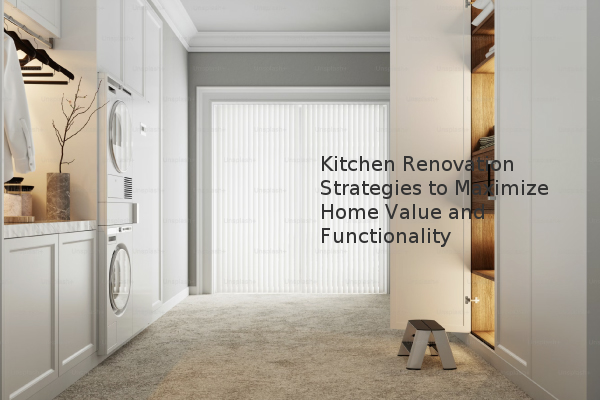
A well-executed kitchen renovation can significantly increase your home's value and improve daily living. Based on our experience assessment, key strategies include reconfiguring the layout for better flow, selecting durable and timeless materials, and maximizing natural light and views. These elements are critical for both personal enjoyment and long-term property appreciation. Focusing on these areas ensures the investment enhances functionality while appealing to future buyers.
How can reconfiguring the layout transform a kitchen's functionality? The most impactful change in a kitchen often involves the floor plan. A common upgrade is replacing a cramped layout with a large, multi-functional island. An island can consolidate prep space, seating, and appliances like a dishwasher or a farmhouse sink into a central hub. This reconfiguration exponentially opens up the space, improving traffic flow and creating a natural gathering area. By removing obstructive peninsulas or poorly placed islands, you create a more open and efficient environment. This approach is particularly valuable in homes where the kitchen is the heart of the home, as it fosters better social interaction and usability.
What are the advantages of selecting modern countertop materials? Outdated countertops, such as tiled surfaces with colored grout, can date a kitchen and create maintenance challenges. Grout is prone to staining and is difficult to keep clean. Upgrading to a seamless material like quartz—an engineered stone known for its durability and non-porous surface—offers a significant improvement. Quartz countertops provide a uniform, low-maintenance surface that resists scratches and stains, contributing to a cleaner and more modern aesthetic. This investment not only elevates the kitchen's look but also reduces long-term upkeep, a key consideration for homeowners.
Why is a full-height backsplash a worthwhile investment? Extending the backsplash tile all the way to the ceiling is a design choice that creates a high-end, elegant look. In kitchens with open shelving instead of upper cabinets, this technique provides a consistent visual plane, eliminating an arbitrary stopping point. This approach makes the room feel taller and more cohesive. It also simplifies cleaning, as there is no gap between the top of the standard backsplash and the ceiling to collect grease and dust. While it may require more material, the resulting sophisticated appearance can be a strong selling point.
How should lighting be planned to balance aesthetics and practicality? Proper lighting is crucial, especially above a kitchen island. The typical height for hanging pendant lights is between 36 and 42 inches above the countertop. However, this must be adjusted to account for specific conditions, such as preserving an important view. It is essential to test the height in person to ensure the lights do not obstruct sightlines or feel awkward. The goal is to achieve ambient and task lighting that complements the space without creating visual barriers. This careful planning ensures the kitchen is both well-lit and visually appealing from all angles.
What structural factors can impact a kitchen renovation's budget? A critical, often overlooked, aspect is the home's foundation. Homes with a raised foundation—built with a crawl space underneath—allow for relatively straightforward relocation of plumbing. However, homes built on a solid concrete slab foundation present a greater challenge. Jackhammering through concrete to move water and drain lines is a complex, disruptive, and expensive process that can add thousands of dollars to a project budget, such as an unexpected $4,500 expense. This highlights the importance of a contingency fund for unforeseen structural issues.
Conclusion A successful kitchen renovation hinges on strategic planning and smart material choices. Prioritize opening the layout with a multi-functional island, invest in durable surfaces like quartz, and consider design elements like a full-height backsplash for a premium finish. Always account for potential structural complications by including a contingency fund of at least 10-15% of your total budget. These steps will help you create a kitchen that enhances your home's value and your quality of life for years to come.