Browse

Log in / Register
 Share
Share
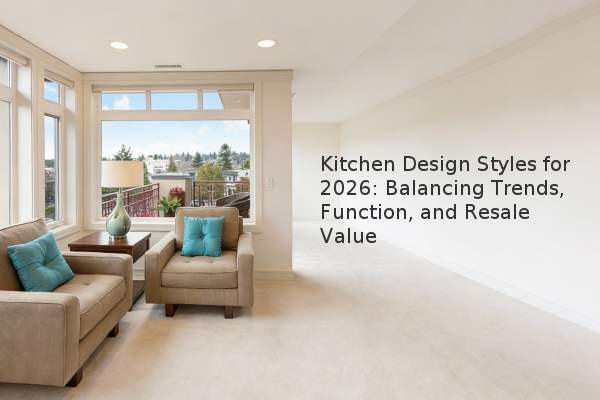
Choosing a kitchen design that balances personal style, functionality, and long-term value can be challenging amidst endless online inspiration. Based on our experience assessment, the most successful kitchen remodels in 2026 focus on timeless elements while incorporating modern functionality. The key is to select a style that complements your home's architecture and meets your practical needs without dating itself quickly. This approach not only enhances your daily living experience but also protects your investment by appealing to future buyers.
Classic, neutral designs remain the safest bet for long-term appeal. A white kitchen, for instance, is praised for its ability to make a space feel larger and brighter.
"Classic white is truly timeless," notes an interior design expert. "It provides a neutral backdrop that allows other design elements to shine."
To prevent a white scheme from feeling sterile, introduce color and texture through elements like a patterned tile backsplash (the vertical surface behind counters and sinks), statement light fixtures, or wood flooring. This style is consistently popular in real estate listings, making it a strong choice for homeowners conscious of resale value.
The high-tech kitchen focuses on sleek, minimalist architecture and integrated smart home features. This style prioritizes function and a modern aesthetic. While it can appear cool to some, its clean lines are a significant selling point.
"Homeowners are increasingly updating with tech features before selling," reports a real estate professional. Popular, less invasive upgrades include:
These features add convenience and modern appeal without requiring a complete cabinet overhaul. For a balanced look, integrate technology seamlessly rather than making it the dominant visual feature.
Some styles successfully blend current trends with classic elements. The modern farmhouse look, for example, combines casual comfort with stylish functionality. The goal is to suggest the style without overdoing it.
Key elements that convey the look include:
"This design lends itself well to repurposing," says a design expert. Using authentic materials can create a warm, inviting space that feels established rather than overly trendy. The key is moderation to ensure the design remains adaptable.
For smaller kitchens, designs that enhance the perception of space are critical. High-gloss cabinets and stainless-steel finishes are excellent choices because they reflect light, making the room feel more open and airy.
"You'll see this ultrashiny style frequently in apartments because it effectively amplifies light," an interior design expert notes. A glossy finish in a light color can make cabinetry appear to recede, further enhancing the feeling of spaciousness. Similarly, stainless-steel surfaces and open shelving contribute to a clean, clutter-free look that is essential in a compact layout.
A kitchen should feel like a natural extension of the rest of your home. This is particularly important for regionally inspired designs, such as French country or Moroccan styles. The goal is cohesion.
In a room with bold tile patterns and multiple textures, each element should work seamlessly with adjacent rooms. If your home features a soft, neutral palette, a French country-inspired kitchen with blue and yellow accents would be ideal. For homes with more vibrant character, richer colors in backsplashes or trims can work well. The hardware—like drawer pulls and light fixtures—should bridge the gap between the kitchen's style and the home's overall aesthetic.
Ultimately, the most successful kitchen design is one you will love for years while also being attractive to a broad range of potential buyers. Avoid ultra-niche trends that may feel outdated in a few years. Instead, invest in quality materials and a functional layout. Use bold colors and distinctive patterns on easily changeable items like barstools, artwork, or accessories. This strategy allows you to personalize your space without compromising its long-term value and appeal.