Browse

Log in / Register
 Share

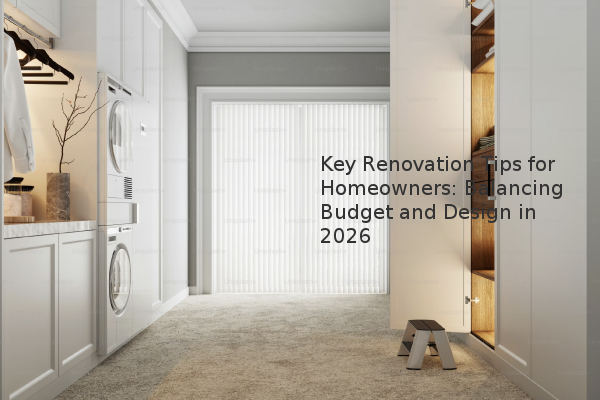
For homeowners, a successful renovation balances ambitious design with a strict budget, requiring strategic planning and smart material choices. Based on our experience assessment, focusing on multifunctional upgrades, repurposing existing elements, and addressing structural issues first are the most effective ways to maximize value. This approach helps avoid costly mistakes and ensures the final result enhances both daily living and property value.
What are cost-effective alternatives to removing structural elements? A common desire in renovations is to open up a space by removing obstructive features. However, elements like columns are often load-bearing, meaning they are essential for supporting the weight of the structure above. Identifying whether a feature is load-bearing requires a professional assessment. Instead of a full removal, which can involve a costly steel beam installation, a practical alternative is to integrate the necessary support into a new design. For example, replacing a plain column with a floating media center that surrounds the support beam can turn a structural necessity into a stylish, built-in feature. This approach maintains the room's integrity while improving its functionality and aesthetic.
How can homeowners approach demolition and updates safely? Demolition is a critical first step, but it must be approached with care. While major structural work should be left to professionals, there are safe tasks for homeowners. Removing old carpet or non-structural fixtures can be manageable. Furthermore, a key strategy for staying on budget is to evaluate what existing items can be updated rather than replaced. An old piece of furniture, like a piano, can be refreshed with a new coat of paint and professional tuning. This not only saves on the cost of a new item but also adds a unique, personalized touch to the home.
What practical considerations are often overlooked in design? It's easy to focus on aesthetics, but practical considerations are crucial for long-term satisfaction. For instance, the pitch of a roof on a porch or addition is critical. A flat roof can lead to water pooling and leaks, causing damage to new interiors. Ensuring any exterior structure has a proper slope for water runoff is a fundamental step that prevents expensive repairs. Similarly, when planning outdoor living spaces, modern retractable screen systems offer a significant upgrade over traditional fixed screens. These systems provide a seamless transition between indoor and outdoor areas, offering protection from insects without the visual obstruction, thereby creating a more versatile and frequently used space.
How can bold design choices be implemented effectively? Incorporating bold accents can define a home's character without requiring a full-scale remodel. Using a dark, dramatic color like graphite black for kitchen island cabinets or built-in shelving can create a striking contrast against lighter walls and countertops. This strategy helps create a cohesive design flow, especially when the accent color is repeated in other elements like window frames or light fixtures. The key is to use these bold choices as accents rather than overwhelming the entire space, ensuring the design remains timeless and adaptable.
Conclusion A successful home renovation hinges on a balanced approach. Prioritize addressing structural and practical issues, such as roof drainage, before focusing on cosmetic upgrades. Repurpose and update existing items whenever possible to conserve your budget for more critical changes. Finally, integrate necessary structural supports into your design plan creatively to maintain an open feel. By following these principles, homeowners can navigate their renovation with greater confidence and achieve a result that is both beautiful and financially sound.