Browse

Log in / Register
 Share
Share
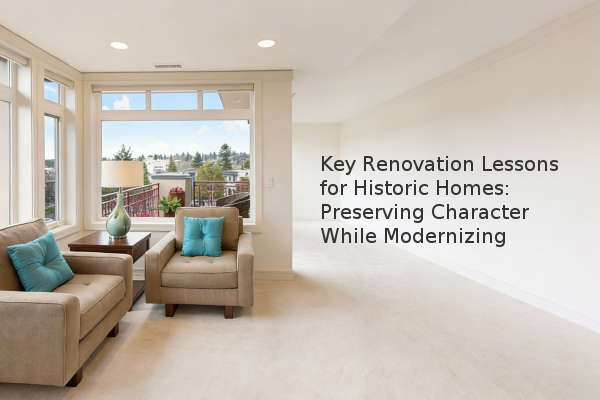
Renovating a historic home requires a strategic balance between preserving original character and implementing necessary modern updates. Based on our experience assessment, the most successful projects prioritize meticulous restoration of key architectural elements, make calculated structural changes for functionality, and select timeless, cohesive design choices. Focusing on these three areas can significantly enhance the property's value and livability while honoring its history. This approach helps avoid common pitfalls that can lead to budget overruns and a loss of the home's unique charm.
A core principle in historic home renovation is preserving original elements whenever possible. This often involves the careful restoration of features like doors, windows, and woodwork. For example, restoring old doors rather than replacing them can maintain architectural integrity. While replacement might seem faster, professional restoration addresses issues like wood rot and hardware malfunction, bringing the feature back to a "good as new" condition. Investing in professional restoration of significant original features often adds more character and value than installing new, off-the-shelf items. This process, though sometimes more time-consuming, ensures the home's historical narrative remains intact.
A common challenge arises when modern functional needs clash with a historic building's existing structure. A frequent issue involves kitchen design, where standard countertop heights may conflict with lower window sills not originally intended for a kitchen space. A suboptimal solution might involve designing around the problem, but this can result in a layout that feels illogical. The more effective, though involved, approach is to modify the structure correctly. Raising a window to accommodate standard counter height is a structural change that requires skilled masonry or carpentry work. This can add time and cost—potentially extending a project timeline by two weeks or more—but the result is a seamless integration that looks natural and functions properly for modern living.
While sourcing unique items from international suppliers can be appealing, it introduces potential complications. Differences in manufacturing standards, sizing, and electrical systems can create significant obstacles. For instance, a light fixture from a European country may use non-standard threading or voltage requirements that are incompatible with US systems. Sourcing materials and fixtures domestically, or confirming full compatibility before purchase, can prevent costly installation delays and the need for custom adapters. This is especially critical for electrical components, where incompatibility can pose safety hazards.
Selecting exterior and interior colors for a historic property requires a focus on longevity and authenticity. The goal is to choose hues that complement the home's architectural style and period. For exterior elements like awnings, durable materials like powder-coated metal are often preferable to fabric, which degrades faster. When deciding between colors, it is essential to view samples against the home's exterior materials in natural light. A timeless, historically appropriate color palette, often leaning on classic blacks, deep grays, and earthy tones, ensures the renovation remains tasteful and contextually appropriate for years to come. This avoids the need for frequent repainting or updates driven by fleeting design trends.
Creating a cohesive look involves ensuring that new design elements work harmoniously with the home's existing character. In a room with significant original features, such as stained wood paneling, new finishes should complement rather than compete. The key is to select a limited palette of coordinating colors and textures. For example, pairing a black stone fireplace surround with a dark gray patterned carpet can create a "moody" and classic feel without overwhelming the space. Choosing finishes that share a common color family or style ethos helps new additions feel intentional and integrated into the historic fabric of the home.
Successfully renovating a historic home hinges on a respectful and strategic approach. Prioritize the restoration of original features, be prepared to make necessary structural adjustments for modern functionality, and always opt for timeless, cohesive design choices. By following these guidelines, homeowners can enhance their property's value and ensure its historical charm is preserved for future generations.