Browse

Log in / Register
 Share
Share

Selling a high-end property successfully in 2026's market hinges on strategic pricing, understanding buyer motivation, and adapting to lifestyle changes. Recent data indicates that even unique luxury homes can require significant price adjustments to attract serious buyers, with the final sale price often reflecting current market conditions more than the owner's initial investment. This analysis, based on a recent transaction, outlines the core factors that influence the sale of a premium property.
The primary motivation for selling a luxury home often extends beyond financial gain. A common catalyst is a significant lifestyle change, such as marriage or expanding family needs. In such cases, a property that once perfectly suited a single individual may no longer be practical. Owners often seek a different floor plan or amenity set that better aligns with their new circumstances. This shift underscores that the decision to sell is frequently personal, driven by the evolution of the homeowner's life rather than mere market timing. The goal becomes finding a property that offers a functional upgrade for daily living, even if it means transitioning from a larger estate.
Accurate pricing is arguably the most critical factor in a successful luxury sale. Setting an initial asking price that is not aligned with comparable recent sales, or "comps," can lead to a property stagnating on the market. When a home does not attract offers, strategic price reductions become necessary to reignite interest. This process demonstrates to the market that the seller is motivated and realistic. It is essential to base these decisions on a professional appraisal and a comparative market analysis (CMA) to ensure the price accurately reflects the home's value in the current economic climate.
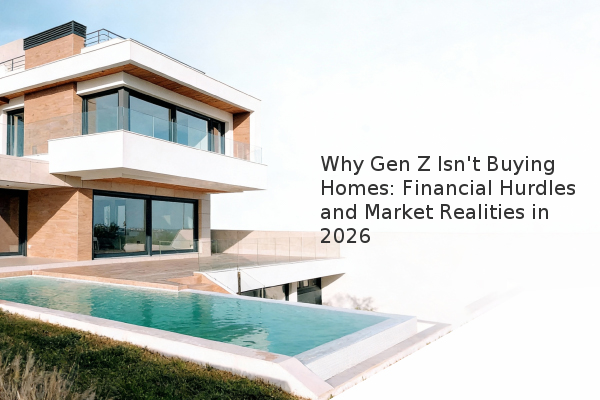
Today's luxury buyers seek a combination of high-end finishes and versatile living spaces. Key attractions include:
The presence of these amenities must be balanced with the overall functionality of the home's layout to appeal to the broadest pool of potential buyers.
In conclusion, selling a luxury home effectively requires a clear understanding of personal motives, a data-driven pricing strategy, and highlighting features that meet modern buyer expectations. Sellers should work with an experienced agent to conduct a thorough CMA and be prepared to adjust their strategy based on market feedback. Ultimately, recognizing that a property's value is determined by the current market, not its past purchase price, is key to a successful transaction.