Browse

Log in / Register
 Share


Creating a home that safely and comfortably accommodates both older adults and young children requires specific design strategies. Based on an assessment of a recent renovation, the most effective approaches include prioritizing single-story living, eliminating tripping hazards, and selecting durable, family-friendly materials. The core goal is to achieve a balance of aesthetics, comfort, and safety for all generations under one roof.
Why is a single-story layout ideal for multigenerational living?
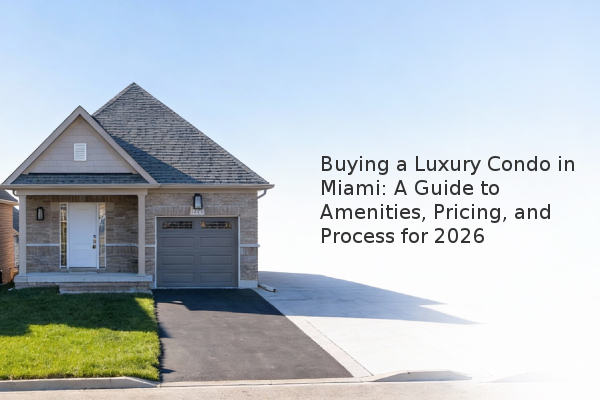
Although two-story homes can offer more square footage, a single-story ranch-style layout is often superior for families with seniors and small children. The primary advantage is the elimination of stairs, which are a significant falling hazard. This design allows older adults to age in place—a term meaning to live in one's own home safely and independently regardless of age or ability level—without the worry of navigating steps daily. For young grandchildren, it provides a safe environment to roam freely. This layout also centralizes living, making it easier for the family to interact without being separated by different floors.
How can you eliminate common tripping hazards in a home?
Leveling out uneven floor transitions is a critical safety upgrade. Features like step-down living rooms or raised entryways, once popular, now pose unnecessary risks. The solution involves re-framing and pouring new concrete or adjusting subflooring to create a completely level surface throughout the main living areas. This proactive modification significantly reduces the risk of trips and falls for both unsteady seniors and energetic children, creating a seamless and safe flow from room to room.
What are the benefits of a large, open great room?
A large great room acts as the heart of a multigenerational home. It promotes family togetherness by providing a central space where everyone can gather for various activities simultaneously. Whether it's grandparents relaxing, children playing, or the family watching a movie, this open design ensures no one is isolated in a far-off room. This shared space encourages interaction and supervision, making it easier for hands-on grandparents to engage with their grandchildren without feeling separated.
Should you invest in raising a low ceiling?
A low, dropped ceiling can make a room feel cramped and dark. Raising the ceiling to the roof's peak, especially in a home with an unfinished attic, is a transformative investment. This structural change enhances the sense of space and volume, making rooms feel larger and more inviting. It also improves air circulation and can allow for the installation of larger windows, bringing in more natural light. The result is a more spacious and airy atmosphere that benefits everyone.
What type of flooring is best for withstanding heavy use?
For areas with high foot traffic from children and pets, not all hardwood is created equal. A highly recommended option is engineered hardwood, which is constructed from a real wood veneer atop a stable plywood core. This makes it more resistant to warping from humidity than solid wood. Choosing a product with a "rustic" or "hand-scraped" finish is key, as the textured surface and varying color tones naturally help to conceal scratches, dents, and daily wear, maintaining its beauty for years.
Is upgrading an entry door a worthwhile expense?
The front door creates the first impression of a home and plays a crucial functional role. A poorly hung or inefficient door can lead to drafts, energy loss, and security concerns. Investing in a new, properly installed double front door—which can cost around $3,000—is often a worthwhile investment. It enhances curb appeal, improves energy efficiency by creating a better seal, and provides a grand, welcoming entrance for family and guests. This upgrade combines aesthetic appeal with practical benefits.
By focusing on single-story accessibility, eliminating tripping hazards, and choosing durable materials, you can create a home that is beautiful, safe, and functional for a multigenerational family. These strategic improvements not only enhance daily living but also contribute to the long-term value and comfort of the property, ensuring it meets the needs of every generation.