Browse

Log in / Register
 Share
Share
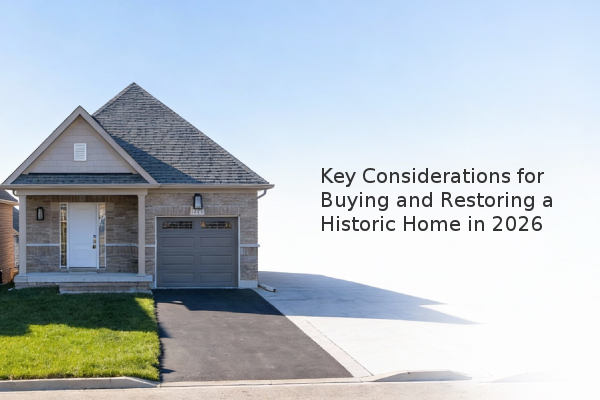
Buying a historic home requires a unique approach focused on preservation rather than modernization. The core consideration is understanding and respecting the property's historical narrative, which guides restoration decisions and protects long-term value. According to restoration expert Brent Hull, the biggest mistake is stripping out original features. The most important factor is the presence of intact, architecturally significant elements like original windows, hardware, and moldings. A house missing these key components may not be worth the restoration cost, even if the structure is sound.
A property is generally considered historic if it is over 50 years old, a standard used by organizations like the National Trust for Historic Preservation. This means homes built by the late 1960s now fall into this category. However, true architectural significance is often found in pre-World War II construction. Homes built before the 1940s typically feature craftsmanship and design elements—such as custom cabinetry and detailed moldings—that became less common with the rise of post-war tract housing. Understanding this distinction helps buyers focus their search on properties with genuine historical value.
The most significant error, based on our experience assessment, is a complete gut-renovation that removes all historic character. The goal should be sympathetic restoration, not making the house look new. Installing trendy, modern features often decreases long-term value because these elements can appear dated within a decade. Instead, prioritize repairing and refinishing original materials. Authentic elements like solid wood doors or tile work have a timeless quality that surpasses most contemporary alternatives. Preserving these features is not just about aesthetics; it's a financially sound strategy that avoids cyclical, costly updates.
A historic home's restorability is less about structural damage and more about the loss of its original character. A house that has been stripped of its architectural details may not be a worthwhile investment for a purist restoration. It can be more expensive to recreate and install period-accurate features than to repair a structurally compromised home that still has its original elements intact. Therefore, the evaluation should focus on what remains, not just what is broken. A "diamond in the rough" with all its original charm is often a better candidate than a superficially updated home in a more desirable neighborhood.
Prospective buyers should conduct thorough research into the property's history. This understanding fosters appreciation and prevents the impulse to tear out unique features. When evaluating a home, create a checklist of key architectural elements:
Focus your budget on professionally restoring these irreplaceable items first. This approach maintains the home's narrative and ensures its value appreciates over time. Choosing a home in a neighborhood you love is also critical, as location remains a paramount factor in real estate value.