Browse

Log in / Register
 Share
Share
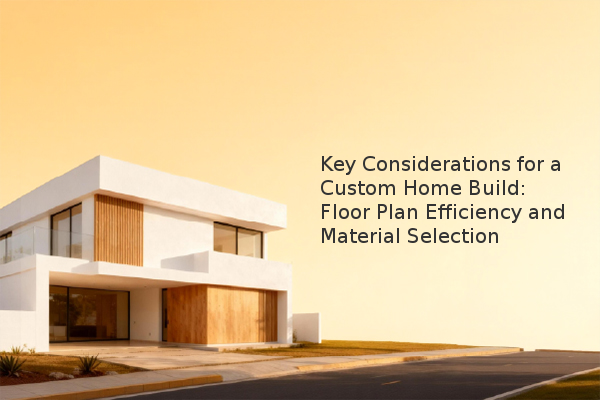
Embarking on a custom home build requires strategic decisions on space allocation and material choices to maximize both your budget and long-term satisfaction. Based on our experience assessment, prioritizing functional layouts over traditional, underutilized rooms and selecting exterior finishes for their durability against sun exposure are critical steps. A well-planned project can still encounter budget variances, with a 10% overage being a predictable scenario that often reflects value-added changes.
What are the most common floor plan mistakes to avoid? A frequent misstep in initial floor plans is the inclusion of spaces that do not align with modern living habits. For instance, a formal dining room is often a significant but unused investment. Instead, allocating that square footage to expand the kitchen, perhaps with integrated banquette seating, creates a more versatile and frequently used area for both daily life and entertaining. Similarly, placing a full bathroom directly off the entry foyer is impractical. A powder room, which includes only a toilet and sink, is a more efficient use of space, creating a grander entryway and serving the needs of guests appropriately.
The placement of key features like a fireplace also impacts a room's functionality and aesthetic. A fireplace shoved into a corner can make a family room feel awkward and unbalanced. Centering the fireplace on a main wall transforms it into a focal point and allows for the creation of custom built-in shelving on either side, enhancing both storage and the room's architectural character. This approach creates a "standout moment" that defines the space.
How can you create a cohesive design throughout the home? Achieving a unified look involves selecting a key statement piece and using it as inspiration for other elements. For example, an antique mantel for the fireplace can establish the home's design theme. By using the same stain and woodworking style for the surrounding built-ins and even for wrapping the kitchen island, you create a visual thread that ties the great room together. This method ensures the home feels curated and intentional rather than a collection of disjointed elements. A custom island designed this way becomes a unique centerpiece that distinguishes the kitchen.
What should you consider for the primary suite layout? A highly functional yet often overlooked design strategy involves creating a buffer between the main bedroom and the main bath. A walk-through closet, which serves as a passage to the bathroom, offers significant practical advantages. This layout provides ample storage while also acting as a sound barrier. This means one occupant can use the bathroom early in the morning without disturbing a sleeping partner, a consideration that greatly enhances daily comfort. This approach is widely regarded as a hallmark of thoughtful, user-centric design.
Why is long-term durability a key factor in selecting exterior materials? The choice of exterior stains and finishes must account for the effects of sun exposure over time. Fading is inevitable, but the resulting color change is what matters. For example, gray stains on cedar siding can fade to an undesired bluish tint, while popular black accents will quickly fade to a dark gray. Based on our experience assessment, selecting an ashy brown stain is a more predictable choice, as it weathers gracefully to a grayish-brown hue without ever appearing blue. This foresight ensures the home's curb appeal remains intact for years without requiring premature maintenance.
What is a predictable budget outcome for a custom build? Even with meticulous planning, custom home projects can exceed their initial budget due to value-driven upgrades or unforeseen complexities. A budget overage of around 10% is a common scenario in the industry. For instance, a project with a $1,000,000 budget might have a final cost of $1,100,000. This variance is often justified by the enhanced quality, functionality, and personalization achieved, leading homeowners to feel the additional investment was worthwhile for the superior final result.
To ensure a successful custom build, focus on a layout that reflects your actual lifestyle, not assumed formalities. Invest in cohesive design details that add character and choose materials for how they will weather over time, not just their initial appearance. Most importantly, build a contingency into your budget to accommodate the enhancements that inevitably arise during the creative process.